The Authors
117 voices that shaped the first 200 years of the Quaker movement — ranked by significance for the modern reader.
The Foundational Six
The writers without whom the movement cannot be understood.
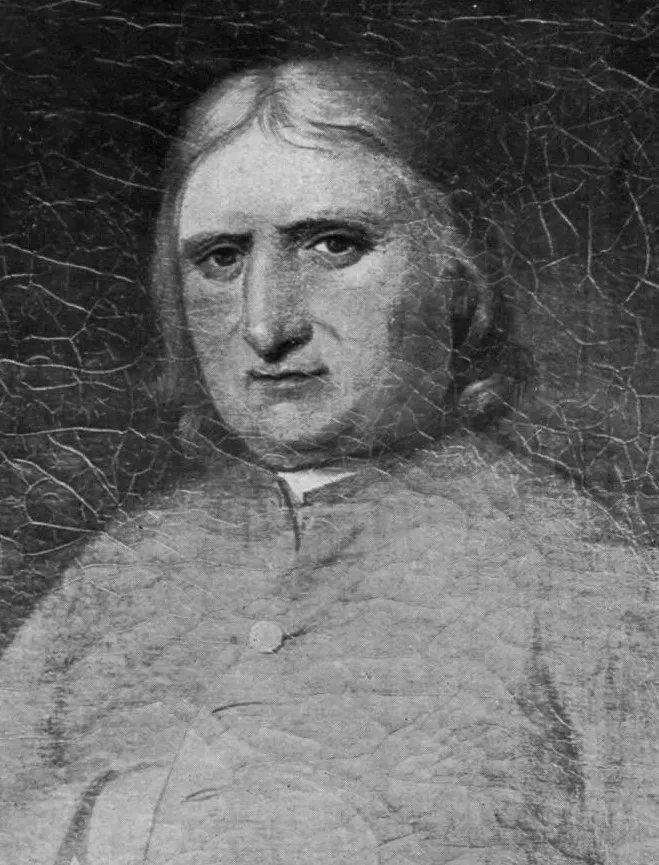
George Fox
Founder of the Religious Society of Friends
Explore →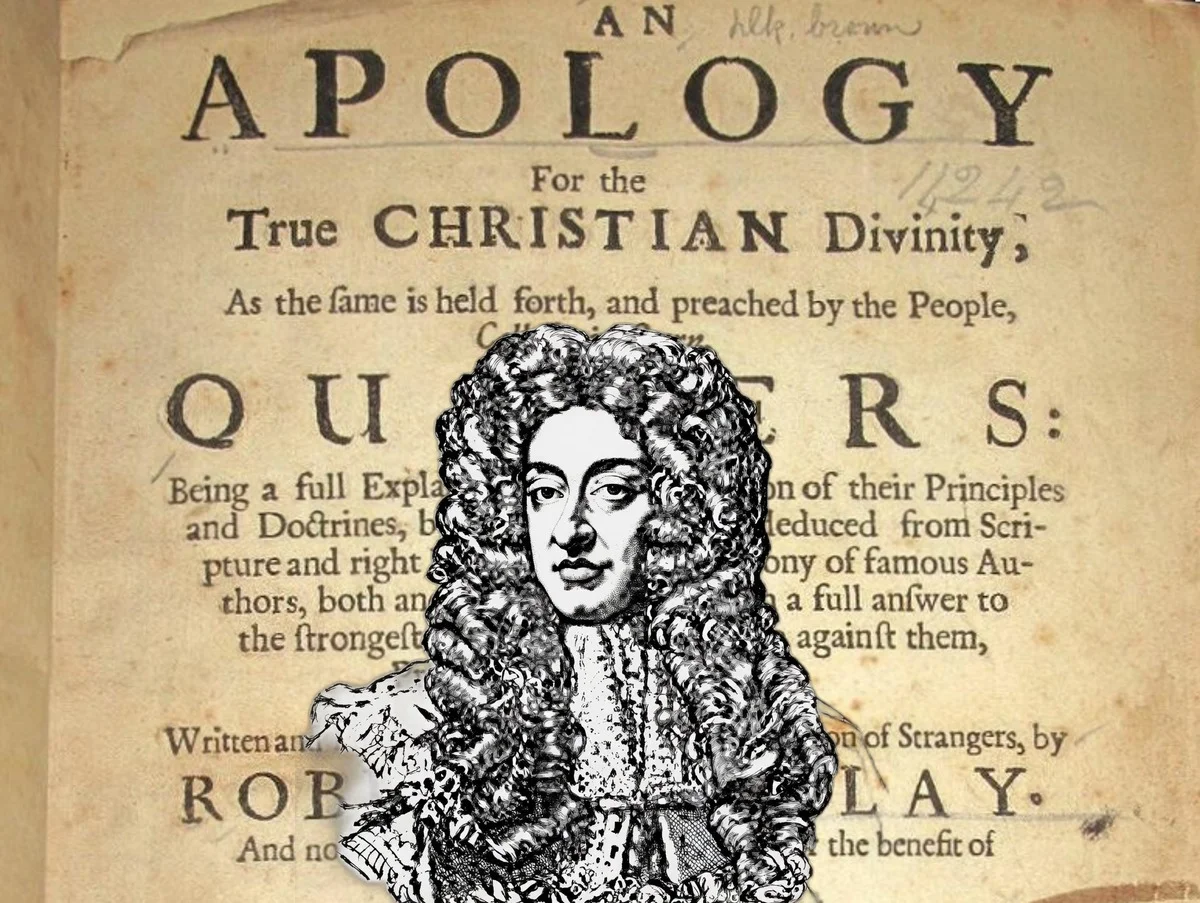
Robert Barclay
Systematic theologian of the Quaker movement
Explore →
Isaac Penington
The devotional heart of early Quakerism
Explore →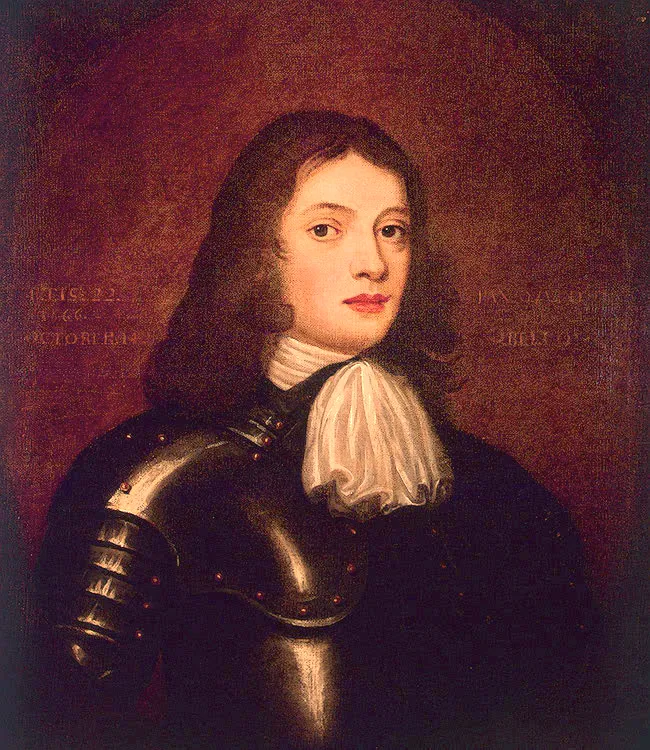
William Penn
Statesman, apologist, and founder of Pennsylvania
Explore →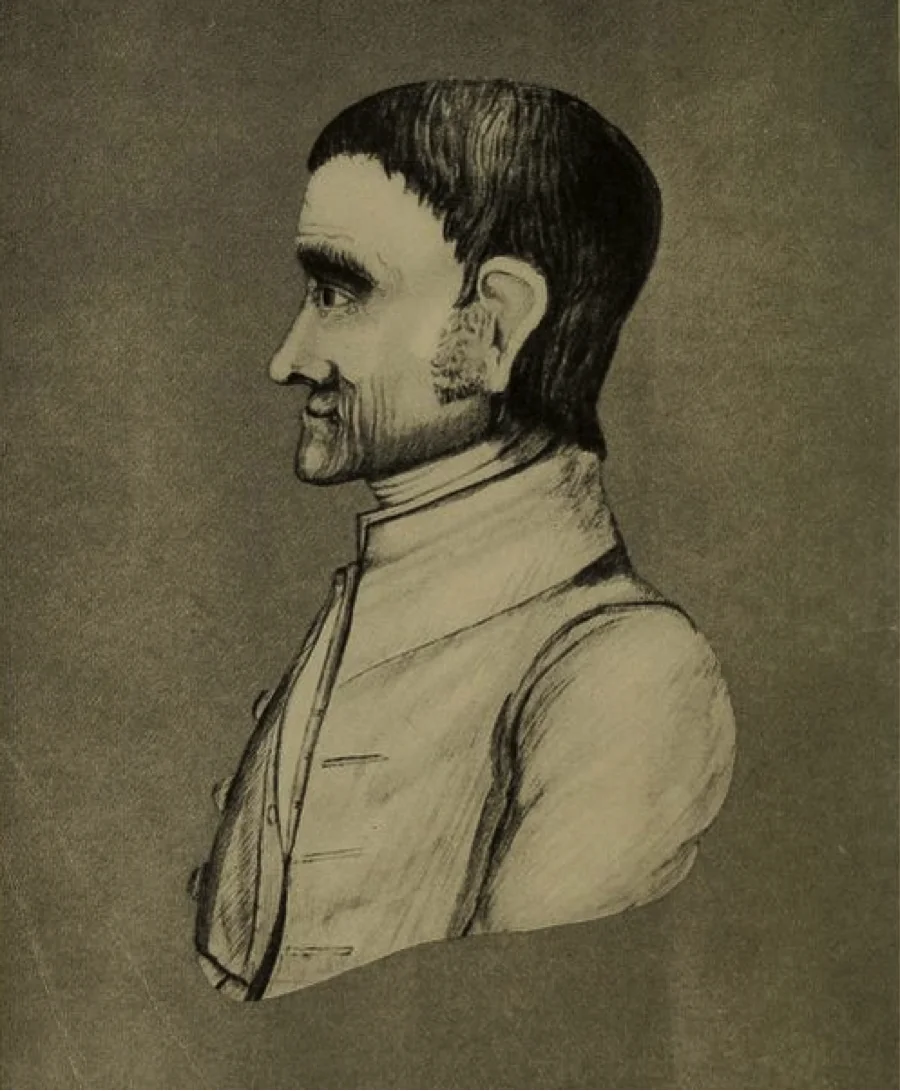
John Woolman
Prophetic conscience of eighteenth-century Quakerism
Explore →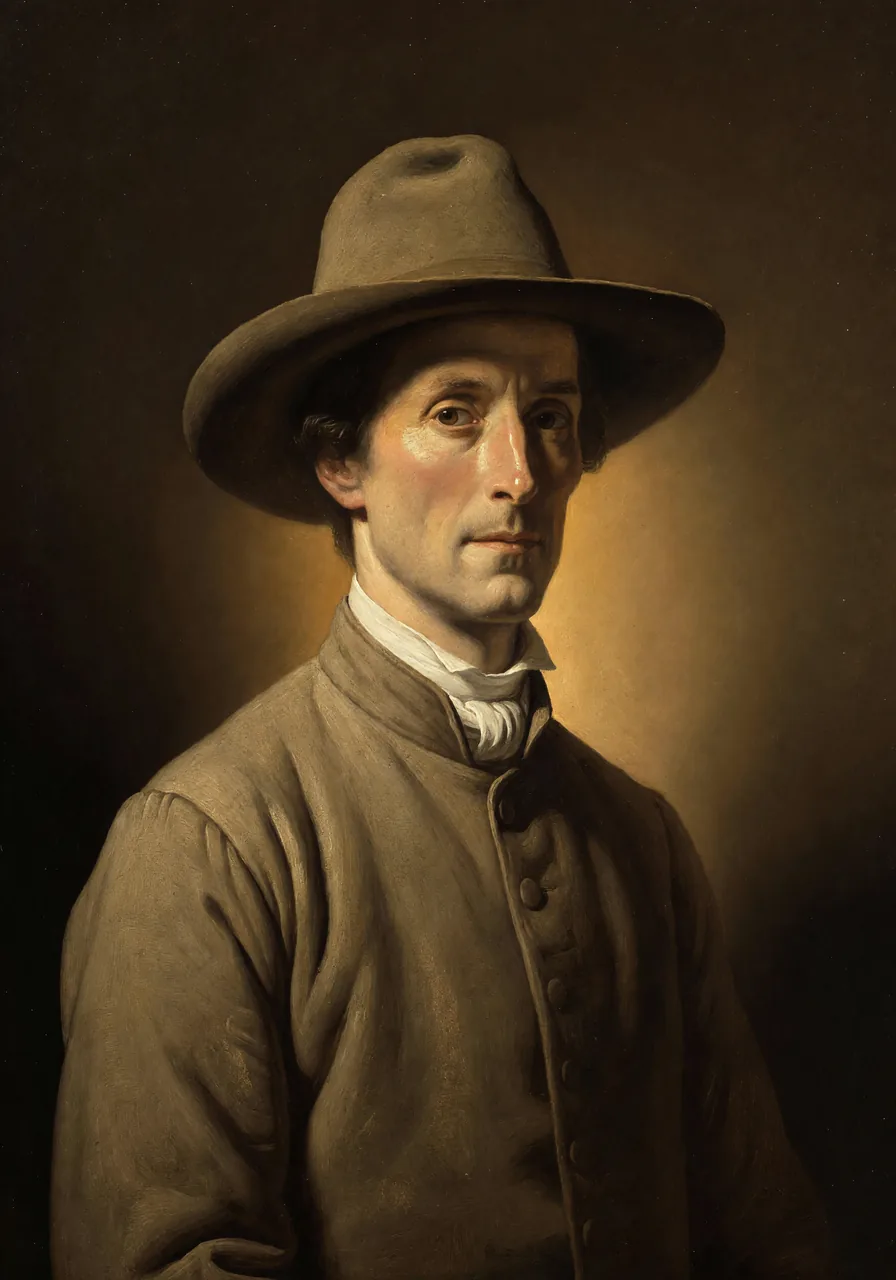
Job Scott
The most penetrating American Friend before the schisms
Explore →Major Voices
Writers whose work most fully fills out the original Quaker witness.
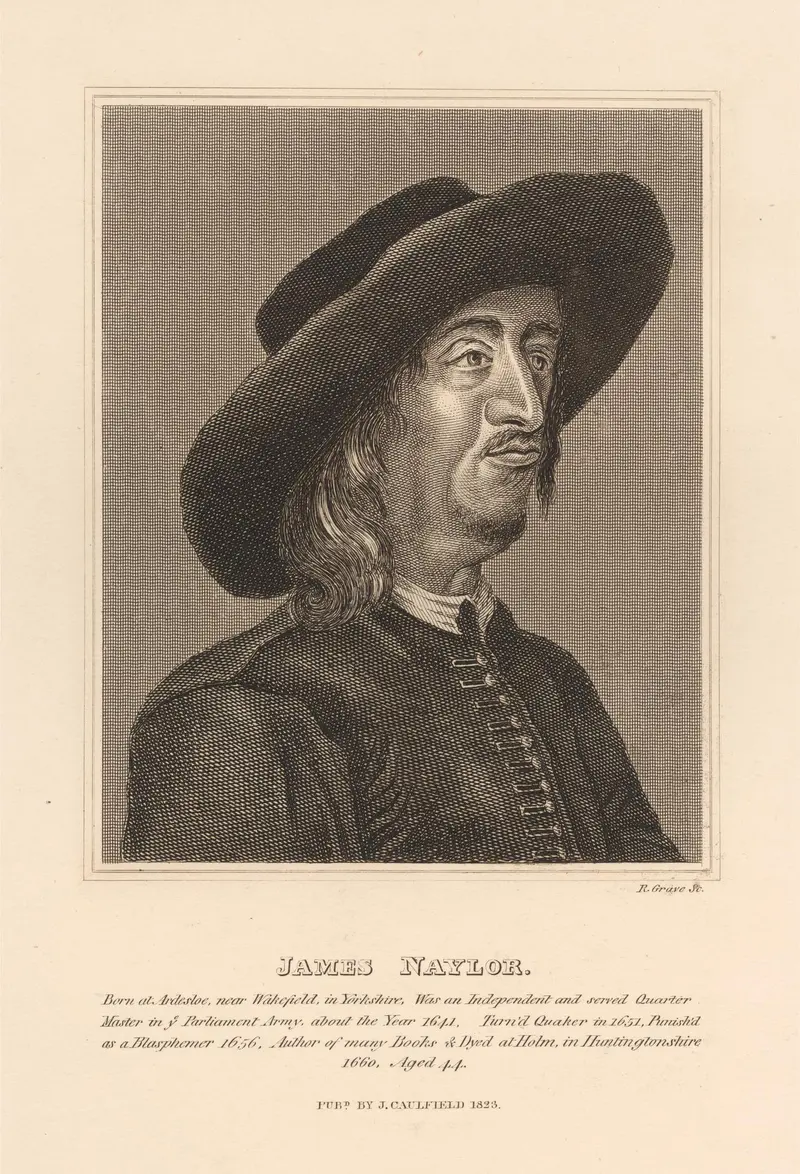
James Nayler
1618–1660
The most competent Quaker theologian of the first decade
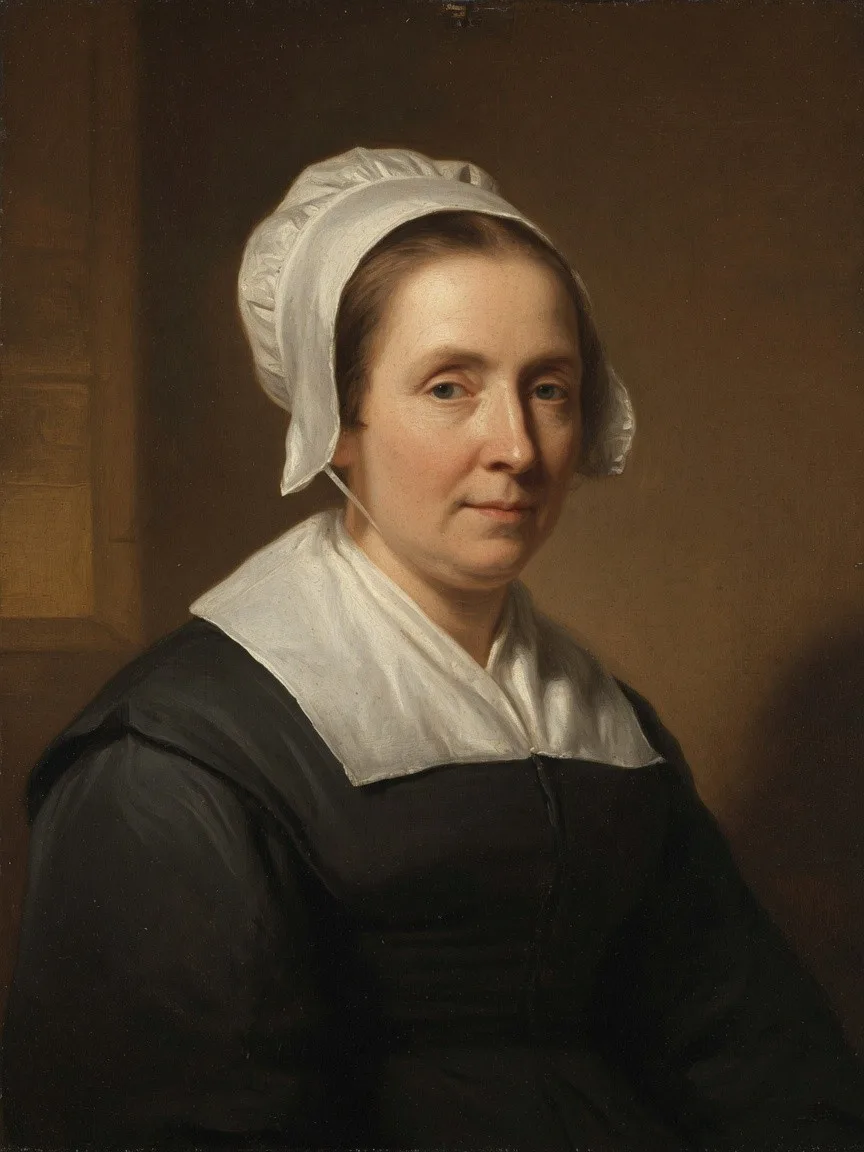
Margaret Fell
1614–1702
The nursing mother of Quakerism
Edward Burrough
1634–1663
The Son of Thunder — most powerful preacher of the first decade
Francis Howgill
1618–1669
Author of the most famous memorial passage in the canon
William Sewel
1653–1720
The first authoritative historian of the movement
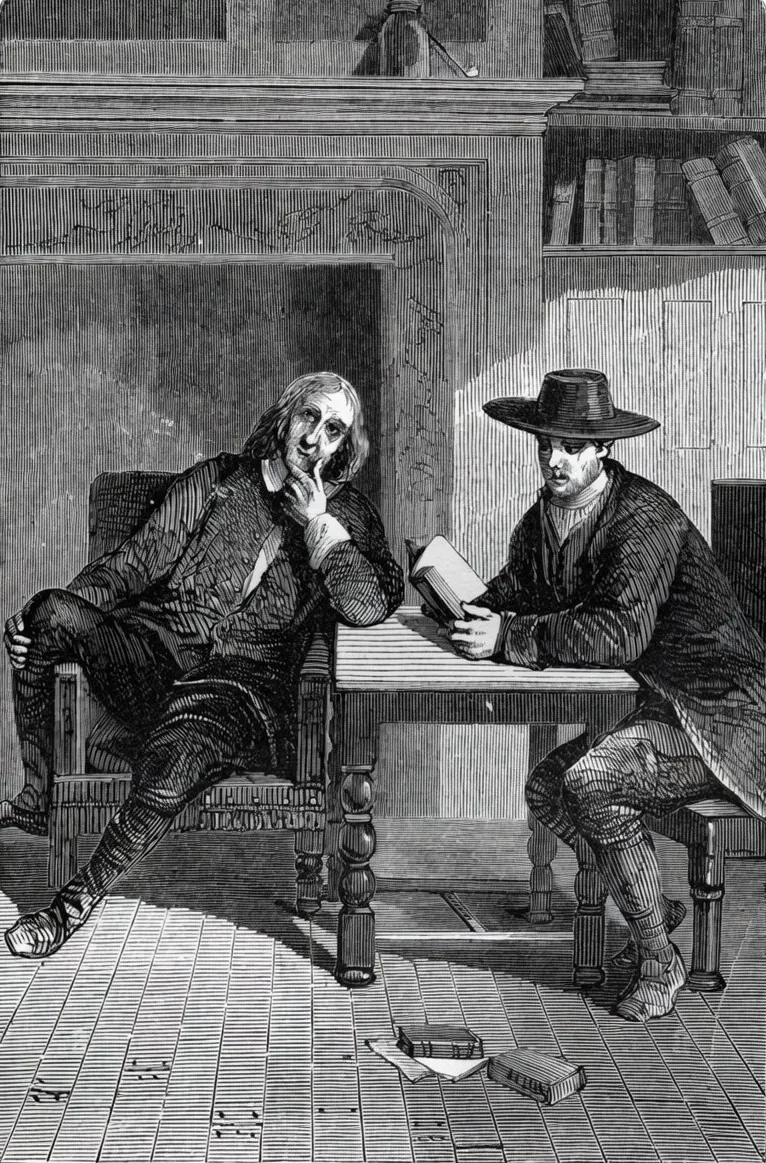
Thomas Ellwood
1639–1713
Editor of Fox's Journal and friend of Milton
William Dewsbury
1621–1688
Pastoral architect of Quaker church order
Stephen Crisp
1628–1692
Among the most beloved pastoral writers of the first generation
Samuel Fisher
1605–1665
The Oxford-trained biblical scholar of early Quakerism
Richard Hubberthorne
c. 1628–1662
Valiant Sixty minister who died a prisoner in Newgate
Thomas Lurting
c. 1632–1713
The Fighting Sailor Turn’d Peaceable Christian
George Keith
c. 1639–1716
The ablest defender Friends ever had, and the sharpest they ever lost
Significant Voices
Substantial writers who fill out particular dimensions — pastoral counsel, mission, sufferings, women's ministry.
Thomas Story
1662–1742
Author of the most extensive Quaker journal of the period
Available
Samuel Bownas
1676–1753
Author of the indispensable manual on Quaker ministry
Joseph Besse
1683–1757
The historian of Quaker sufferings
Available
Thomas Chalkley
1675–1741
Master mariner who paid for his own ministry
Available
John Churchman
1705–1775
Key voice in the eighteenth-century reform movement
Anthony Benezet
1713–1784
First major Quaker organizer of the abolitionist movement
Available
Mary Penington
1623–1682
Author of a striking spiritual autobiography
Available
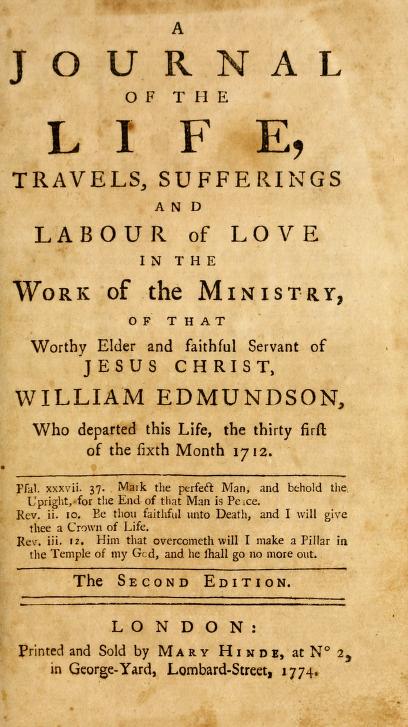
Elizabeth Bathurst
1655–1685
Brilliant young theologian whose career was cut short
William Edmundson
1627–1712
The Father of Irish Quakerism
Available
John Crook
1617–1699
Justice of the Peace turned Friend
Thomas Scattergood
1748–1814
Author of one of the most spiritually profound Quaker journals
William Leddra
1620–1661
One of four Quaker martyrs executed in Boston
Thomas Shillitoe
1754–1835
Minister who visited European monarchs urging peace
Martha Routh
1750–1817
One of the most widely-traveled women ministers in Quaker history
Oliver Sansom
1636–1717
First-generation sufferer with compelling persecution narrative
Ambrose Rigge
1634–1705
First-generation Friend who endured brutal Sussex persecutions
Alexander Parker
1628–1689
The Faithful Companion — Fox's Fellow Traveler and London's Steady Hand
Gilbert Latey
1626–1705
Court tailor who solicited kings for imprisoned Friends
Available
Christopher Story
1648–1720
Cumberland husbandman who saw Truth come to the Scottish Border
Available
John Camm & John Audland
1604–1656 · 1630–1664
The Firbank Fell preachers who carried the message to Bristol
Daniel Wheeler
1771–1840
Sailor, soldier, the Tsar's drainage engineer, missionary to the South Seas
Eighteenth-Century Friends
Writers of the quietist period whose journals transmit the original witness with great fidelity.
John Griffith
1713–1776
English Friend whose American visit catalyzed antislavery reform
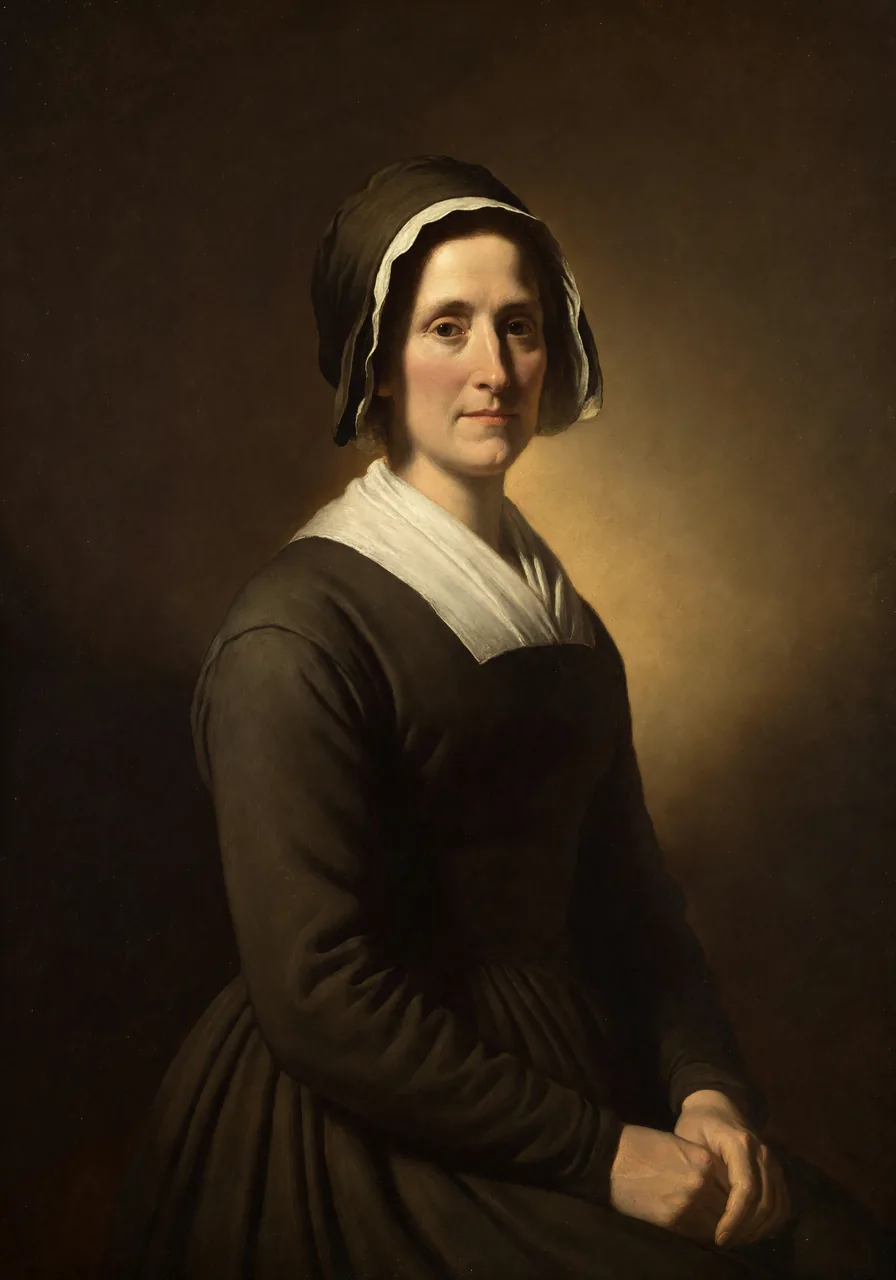
Catherine Payton Phillips
1727–1794
Major eighteenth-century woman minister and writer
Available
Samuel Fothergill
1715–1772
One of the most respected ministers of his generation
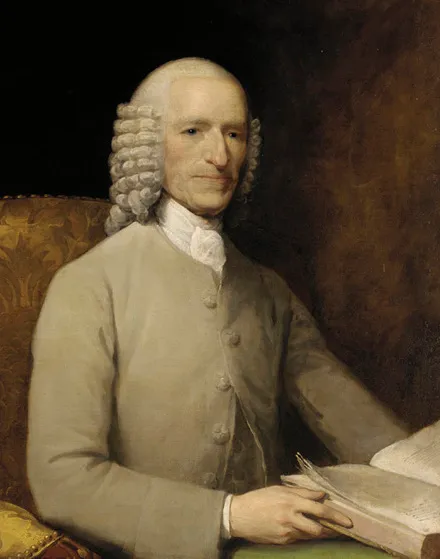
John Fothergill
1676–1745
Bridge between founding generation and eighteenth-century Friends
Joseph Phipps
1708–1787
Author of one of the best short introductions to Quaker theology
John Gough
1721–1791
The second-generation historian of the movement
Hugh Turford
d. 1713
Author of the enduring devotional classic The Grounds of a Holy Life
William Shewen
1631–1695
Reflective devotional voice of late seventeenth-century Friends
James Parnell
1637–1656
The first Quaker martyr — a teenage prodigy
Elizabeth Ashbridge
1713–1755
Author of one of the most striking conversion narratives
Available
Thomas Aldam
1616–1660
The first Friend imprisoned in York Castle
William Ames
d. 1662
The bold apostle to Holland and the Palatinate
William Crouch
1628–1710
Burrough's amanuensis, a London upholsterer through plague and fire
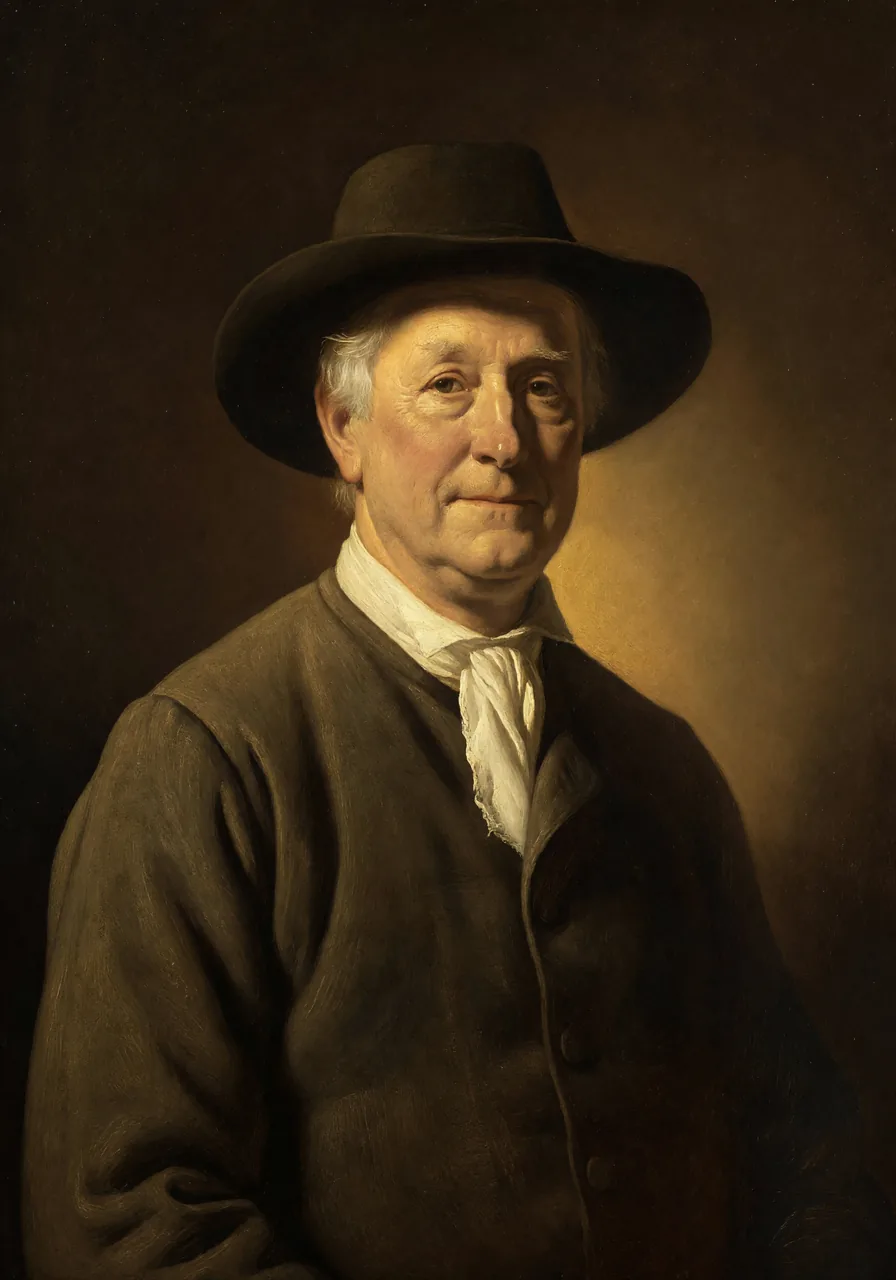
Benjamin Bangs
1652–1741
Norfolk shoemaker, sixty-five years a minister from Stockport
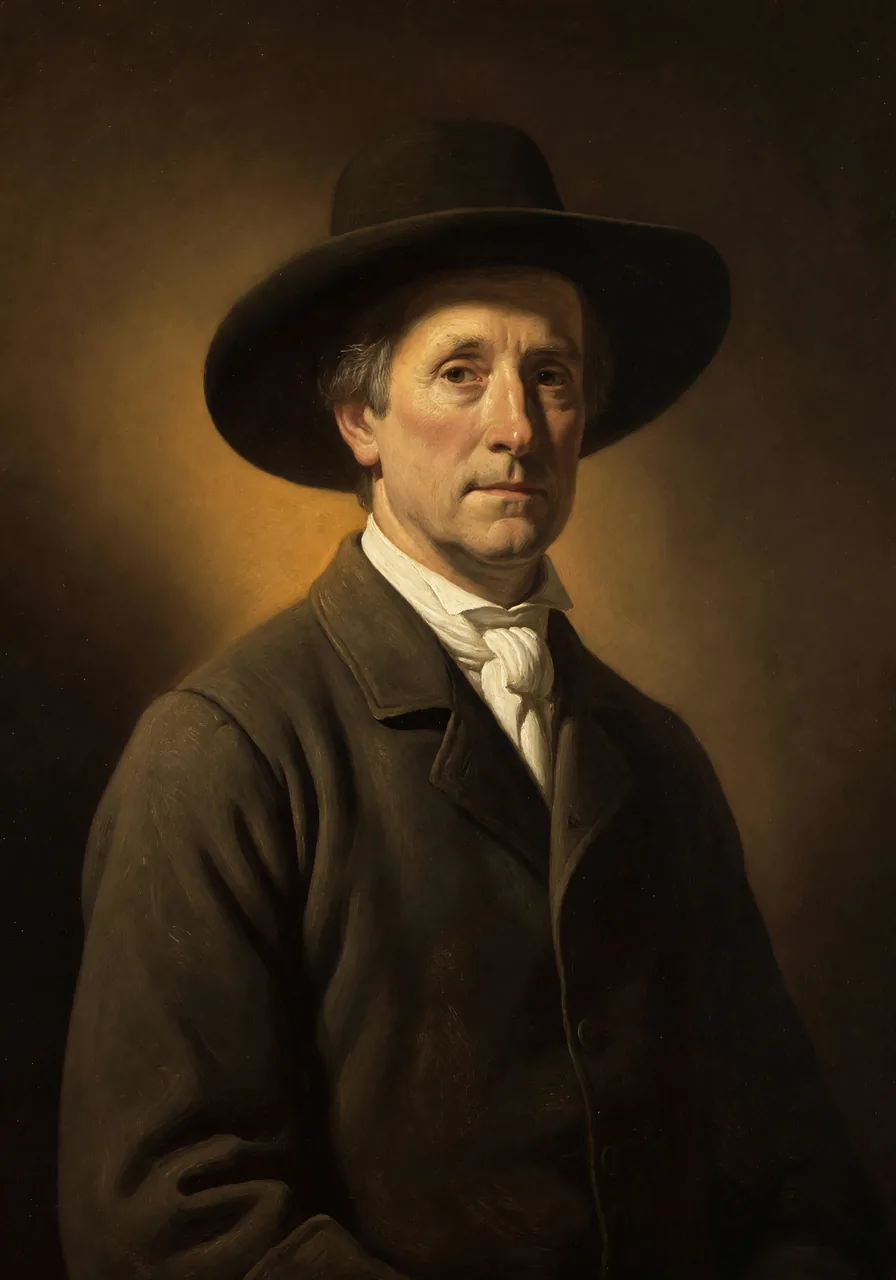
Samuel Neale
1729–1792
Cork minister whose bride died three days after the wedding
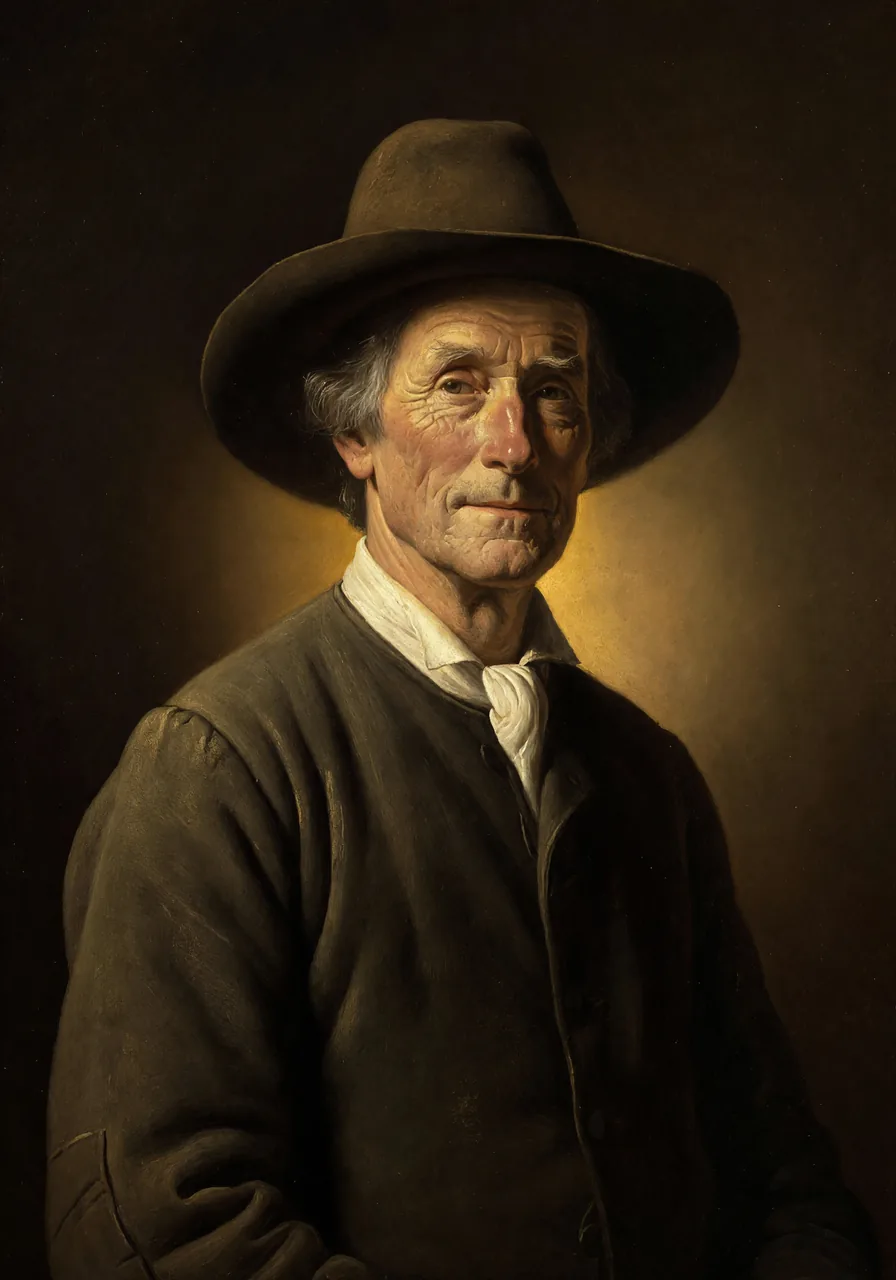
James Dickinson
1659–1741
Cumberland fellmonger who crossed to America three times
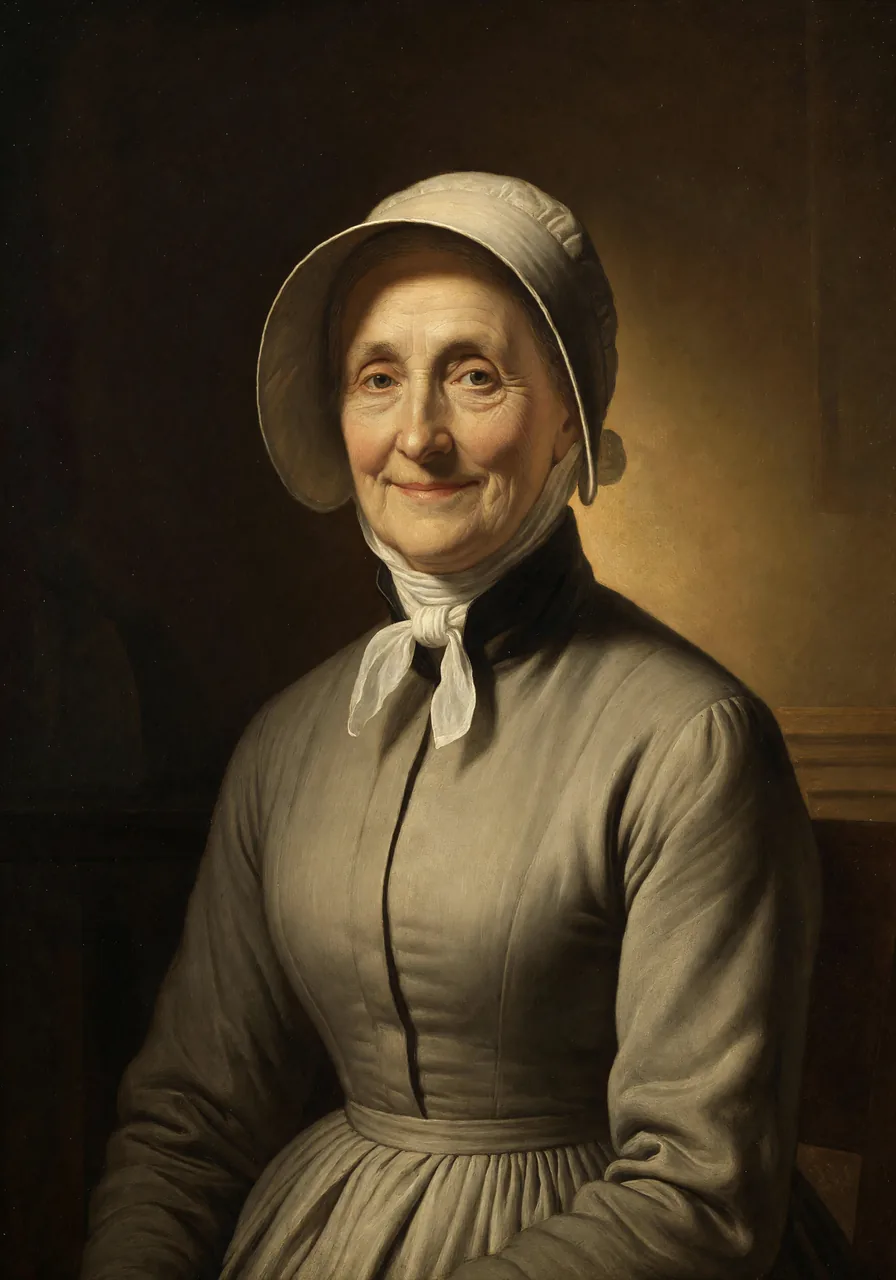
Mary Capper
1755–1845
Birmingham minister for fifty-five years, from the parish church to the Peel meeting
Giles Barnardiston
1624–1680
Civil War colonel of Clare, Suffolk, turned minister and controversialist
Samuel Scott
1719–1788
Hertford diarist who kept an unsparing watch over his own soul
John Croker
1673–1727
Plymouth boy marooned by privateers, serge-weaver and minister at Horsham
Richard Jordan
1756–1826
Virginia-born farmer-minister who carried his gospel labours to Britain and Ireland
William Reckitt
c. 1706–1769
Lincolnshire weaver twice taken by privateers on his way to the American meetings
Henry Hull
1765–1834
New York farmer-minister who travelled Britain and Ireland and died an elder in Ohio
Jane Hoskens
b. 1693/4
London-born servant who became a travelling minister from Chester, Pennsylvania
John Barclay
1797–1838
Clapham-born minister and editor of early Friends' manuscripts, dead at forty-one
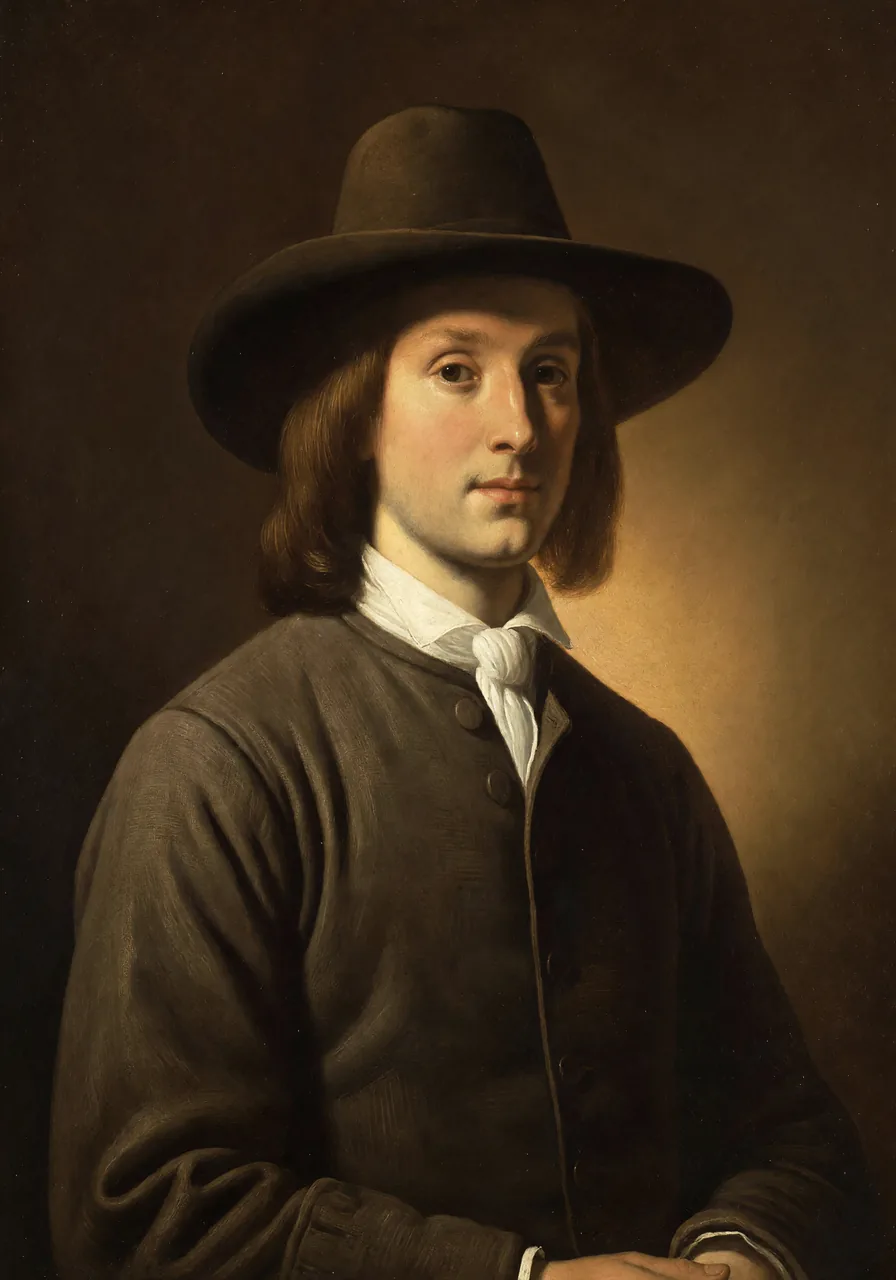
Samuel Crisp
c. 1670–1704
Norfolk curate who read Barclay's Apology in a week and left the Church for Friends
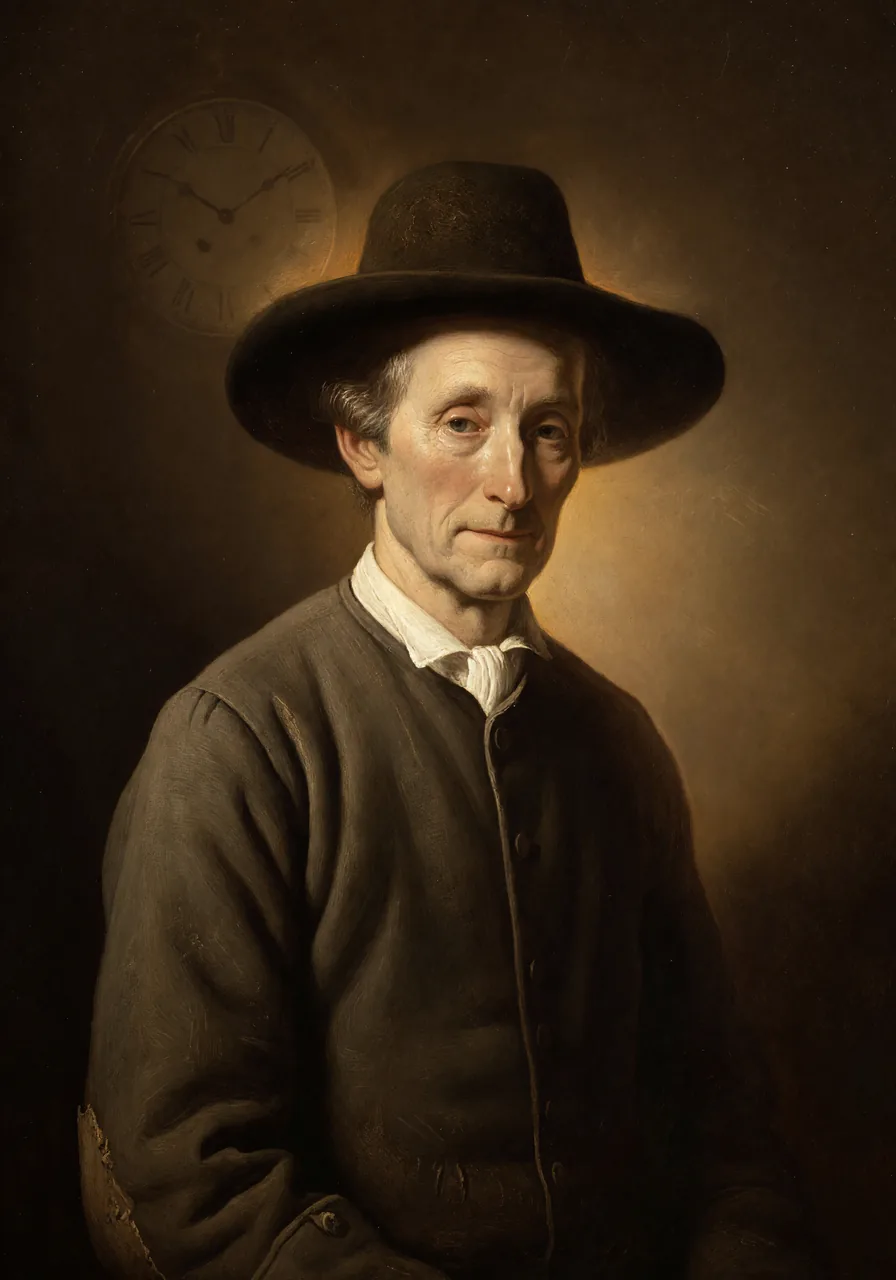
Joseph Oxley
1715–1775
Norwich clockmaker and worsted manufacturer, thirty-four years a minister
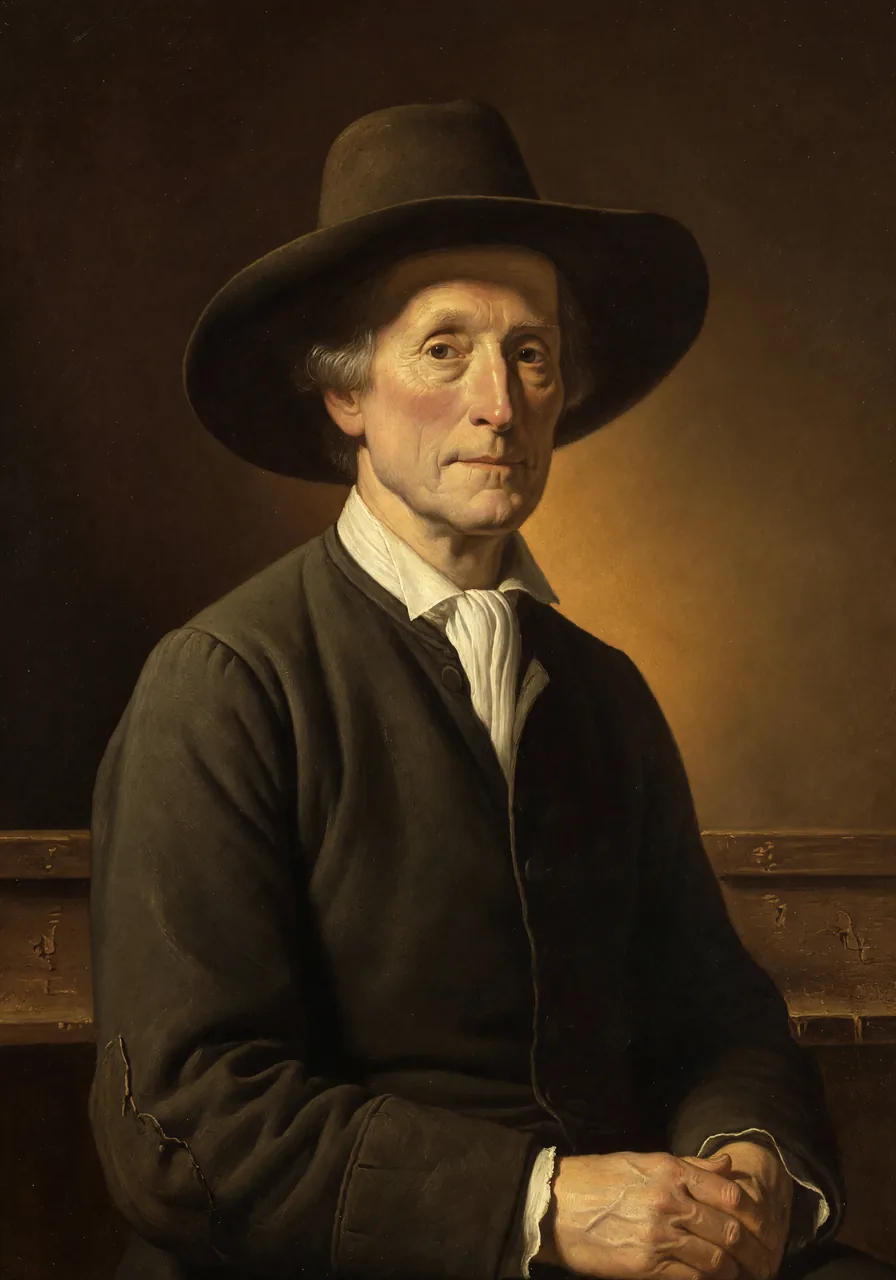
David Hall
1683–1756
Skipton schoolmaster whose epistles pressed plainness on a softening generation
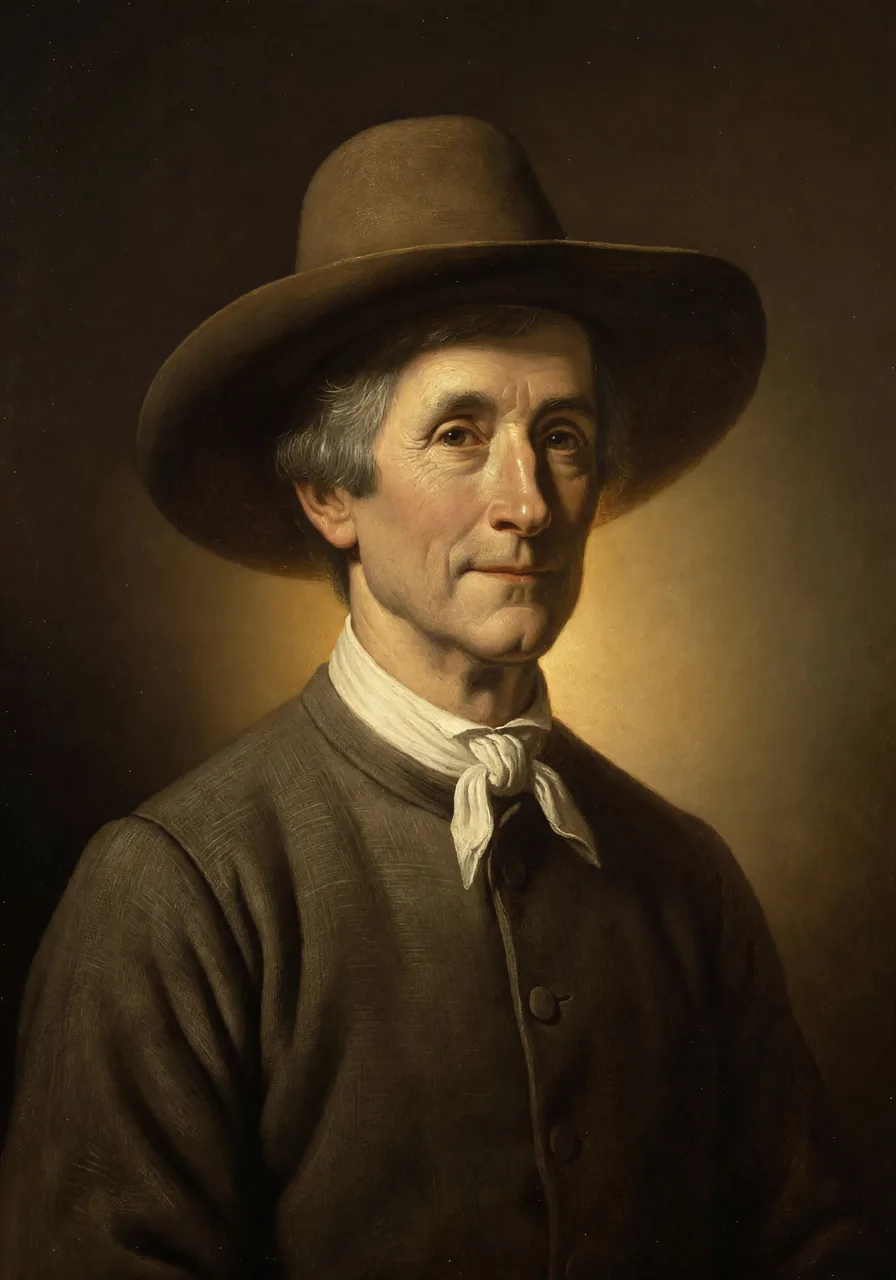
James Gough
1712–1780
Kendal-born schoolmaster and minister in Ireland, elder brother of the historian
Worthy Lesser Voices
Valuable but more specialized voices the serious reader will eventually encounter.
George Whitehead
1636–1723
Richard Farnworth
d. 1666
John Burnyeat
1631–1690
John Banks
1637–1710
Charles Marshall
1637–1698
John Gratton
1641–1711
Richard Davies
1635–1708
William Caton
1636–1665
Patrick Livingston
1634–1694
Mary Mollineux
1651–1695
Alice Hayes
1657–1720
Elizabeth Stirredge
1634–1706
Anne Camm
1627–1705
Barbara Blaugdone
1609–1704
Joseph Pike
1657–1729
John Richardson
1667–1753
Thomas Wilson
1654–1725
Daniel Stanton
1708–1770
John Pemberton
1727–1795
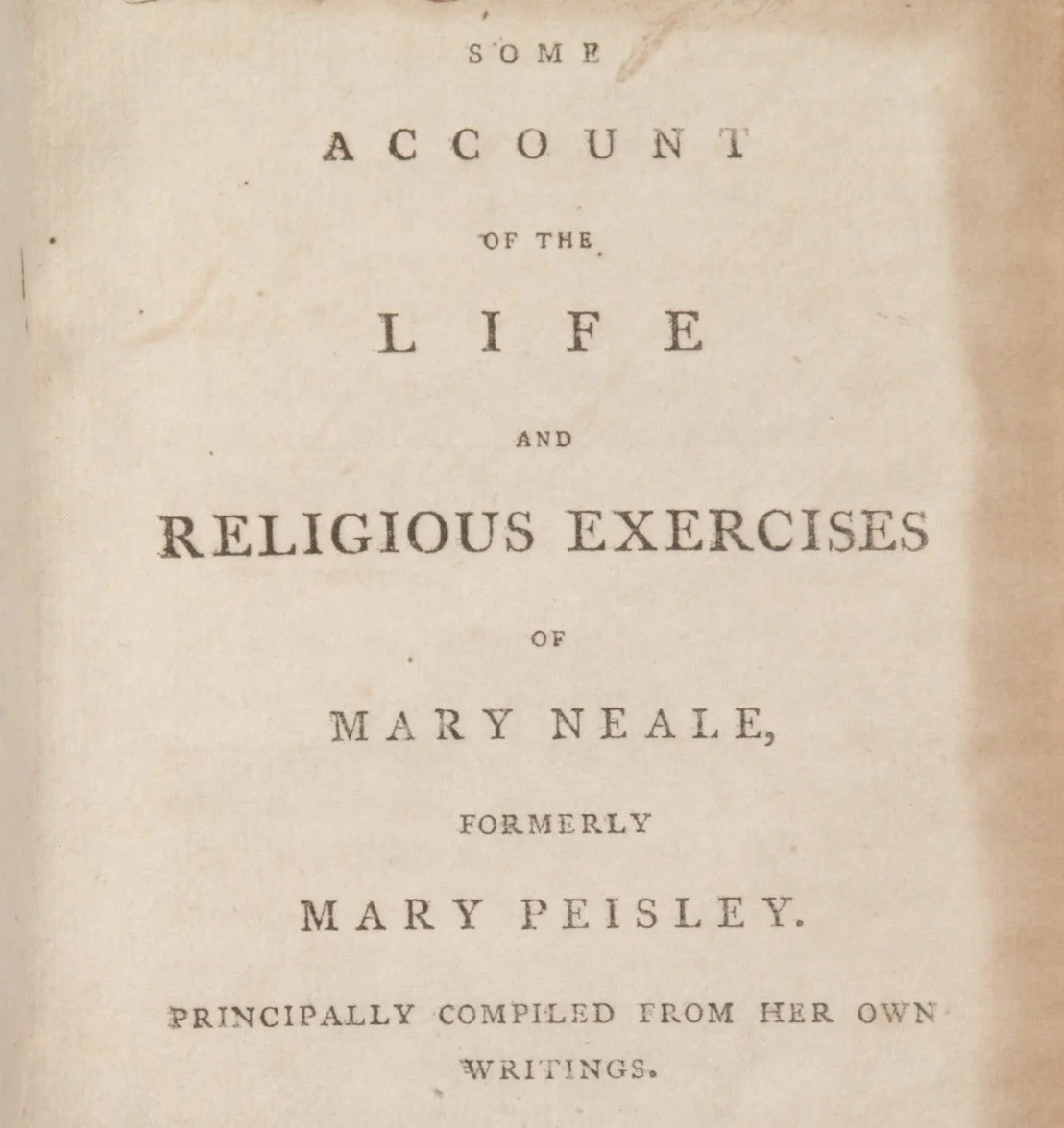
Mary Peisley Neale
1717–1757
Sarah Stephenson
1738–1802
Sarah Tuke Grubb
1756–1790
William Savery
1750–1804
Mary Fisher
1623–1698
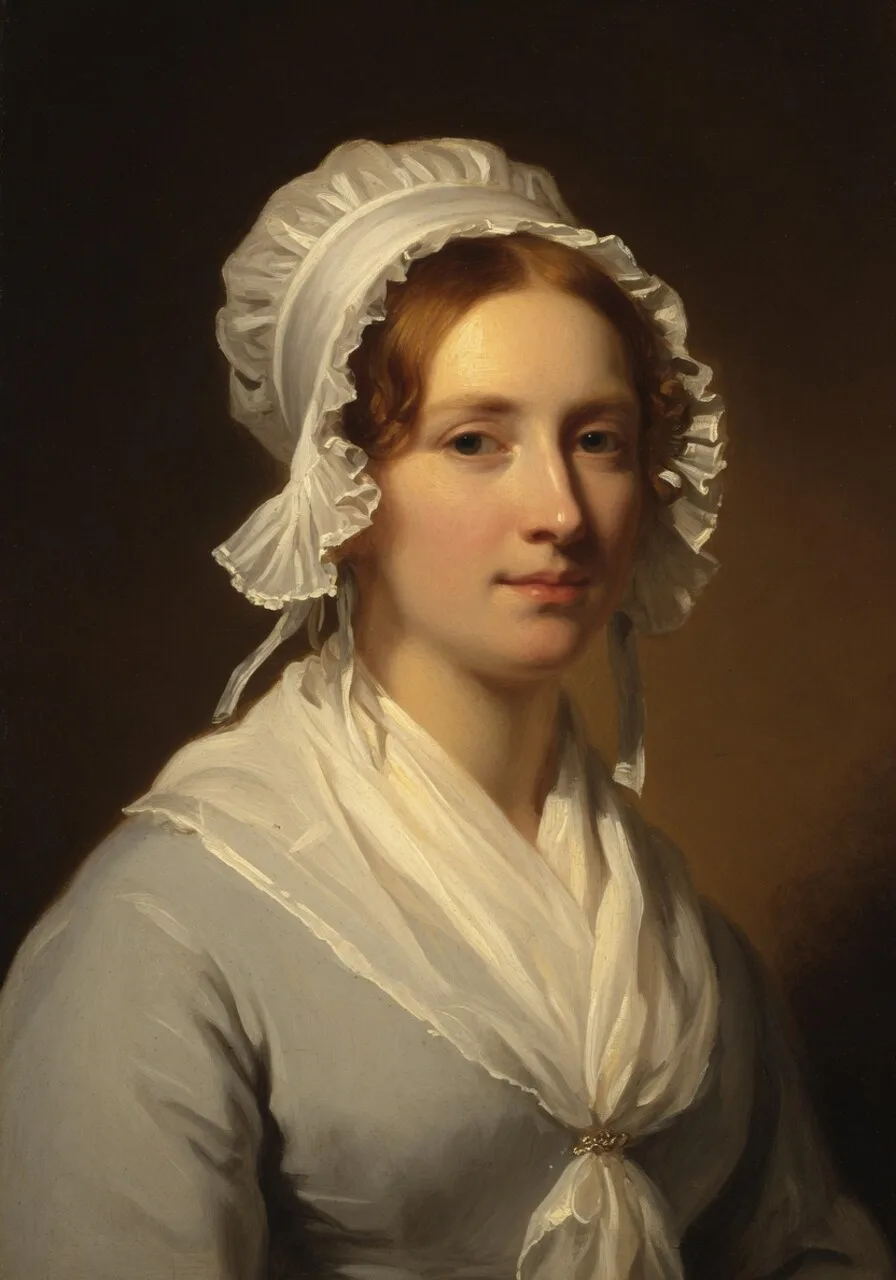
Elizabeth Fry
1780–1845
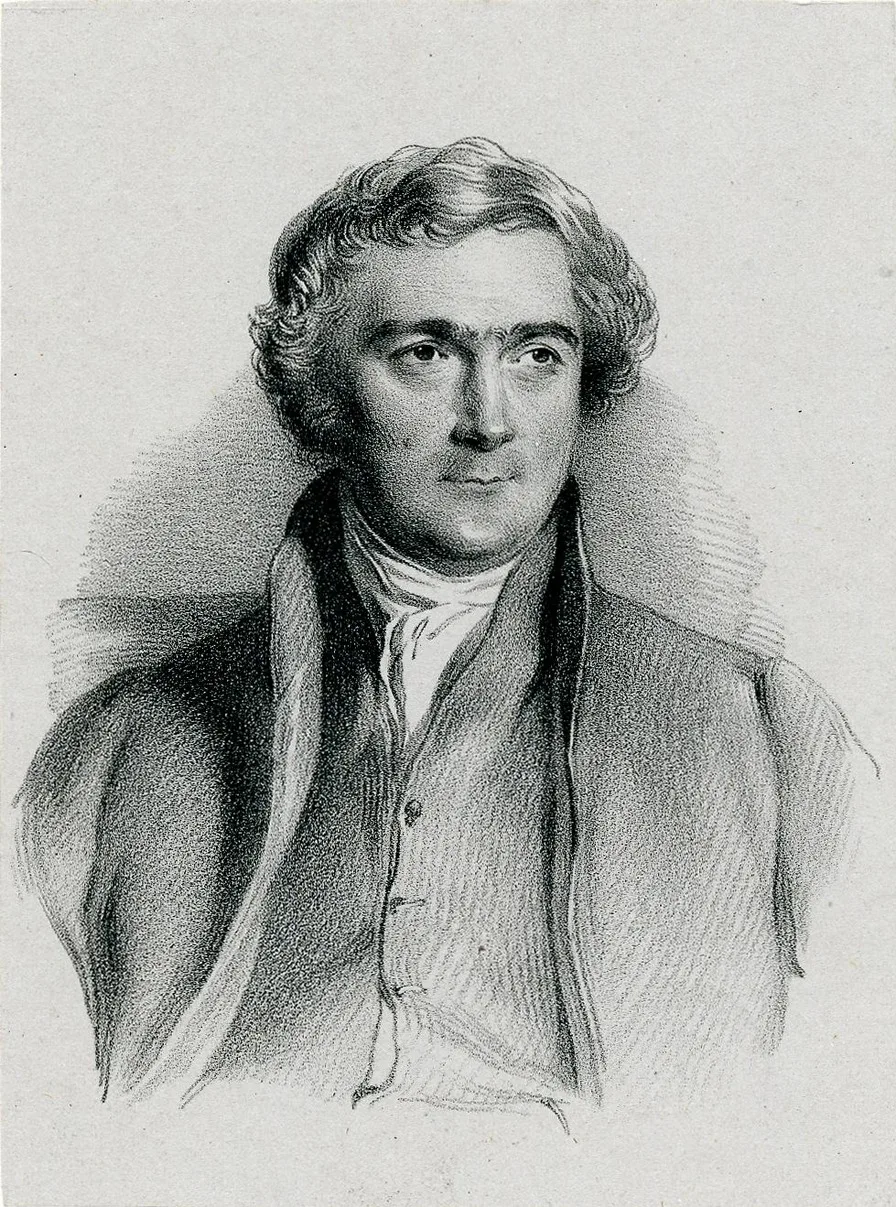
Joseph John Gurney
1788–1847
Humphrey Smith
d. 1663
John Roberts
1623–1684
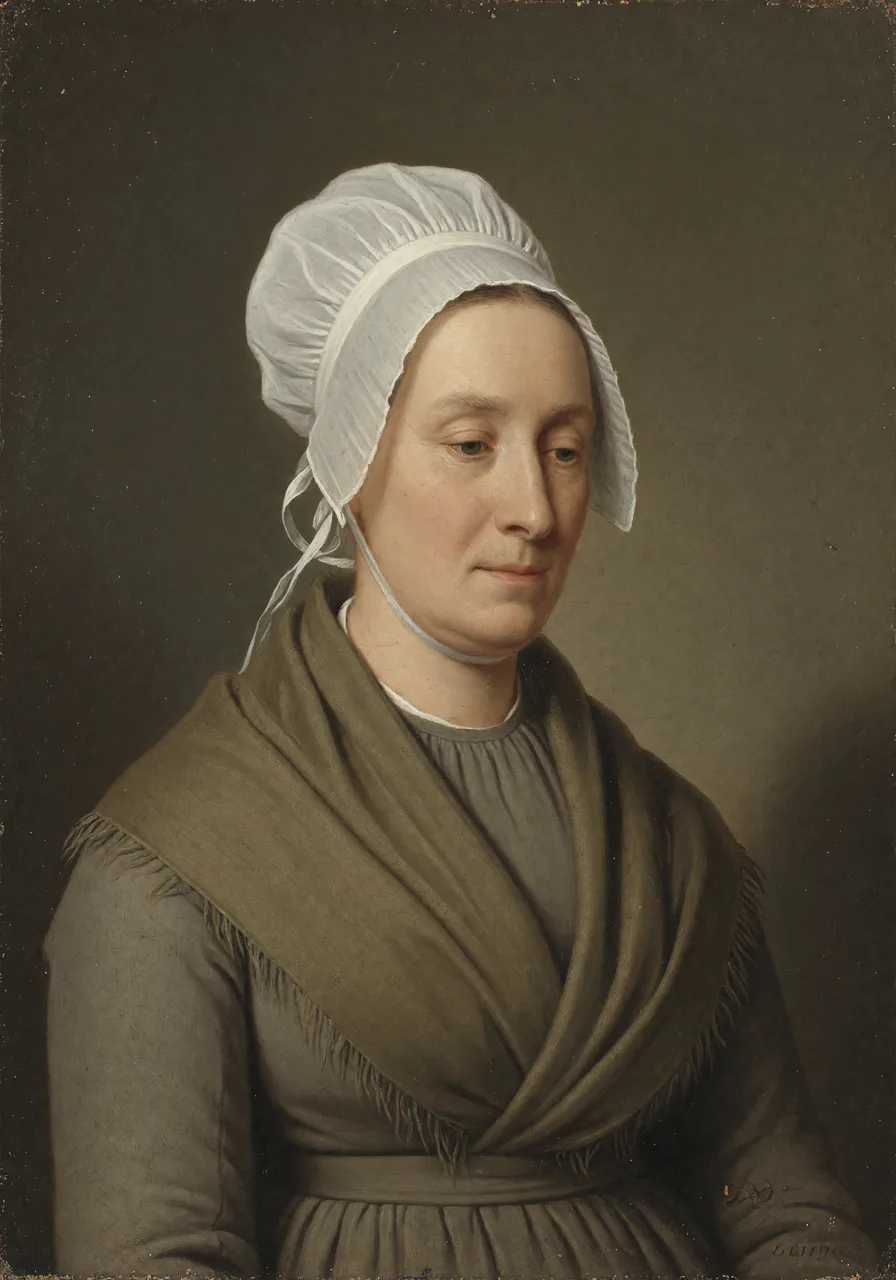
Elizabeth Collins
1755–1831
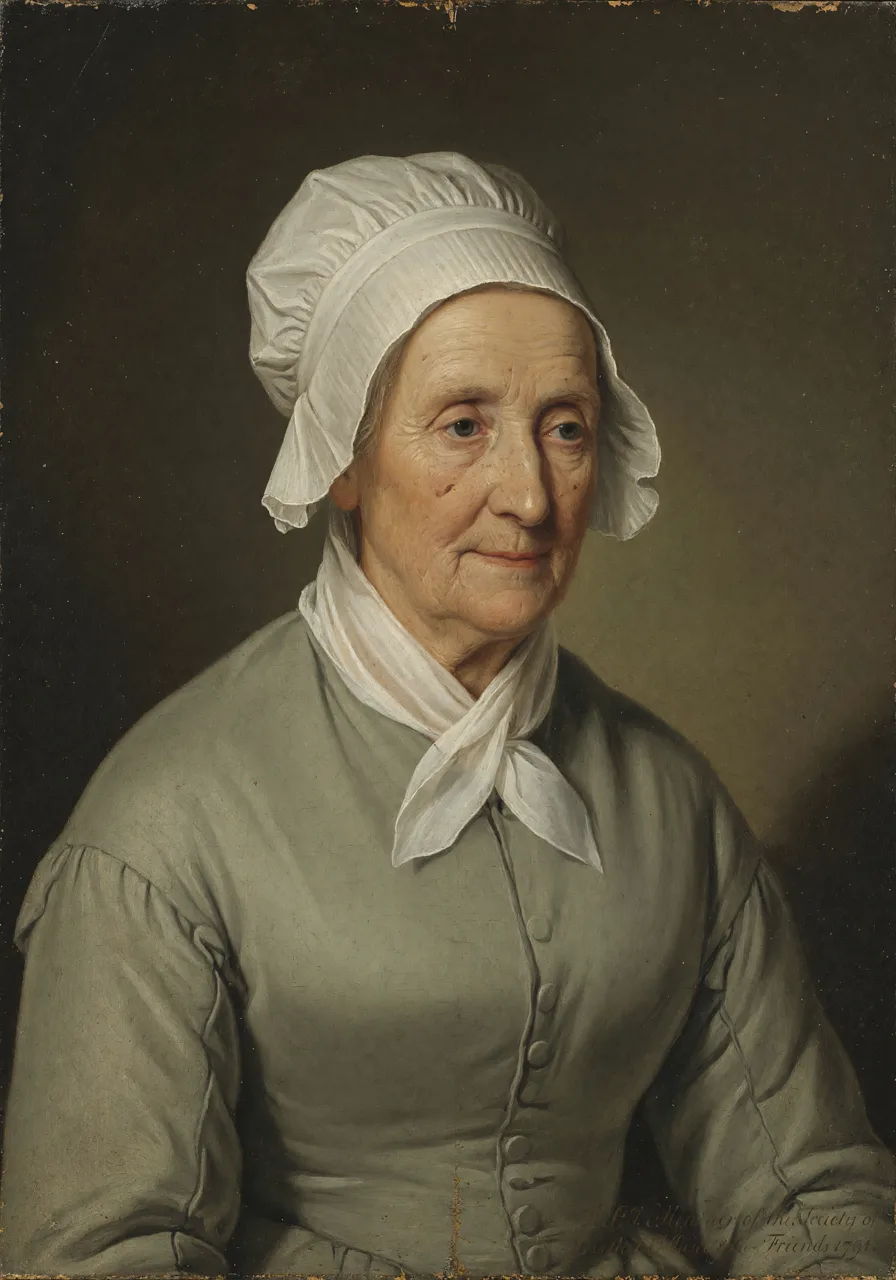
Ruth Follows
1718–1809
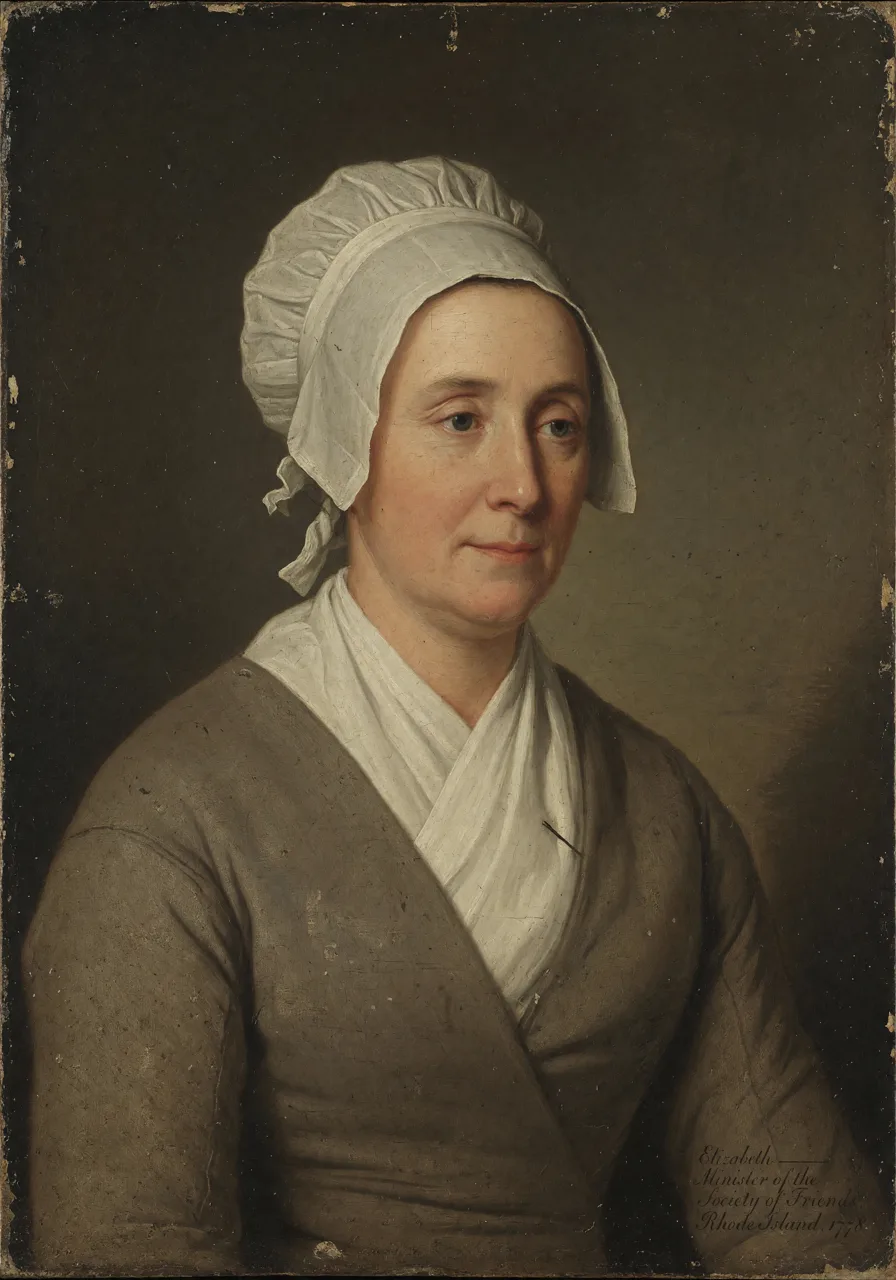
Patience Brayton
1733–1794
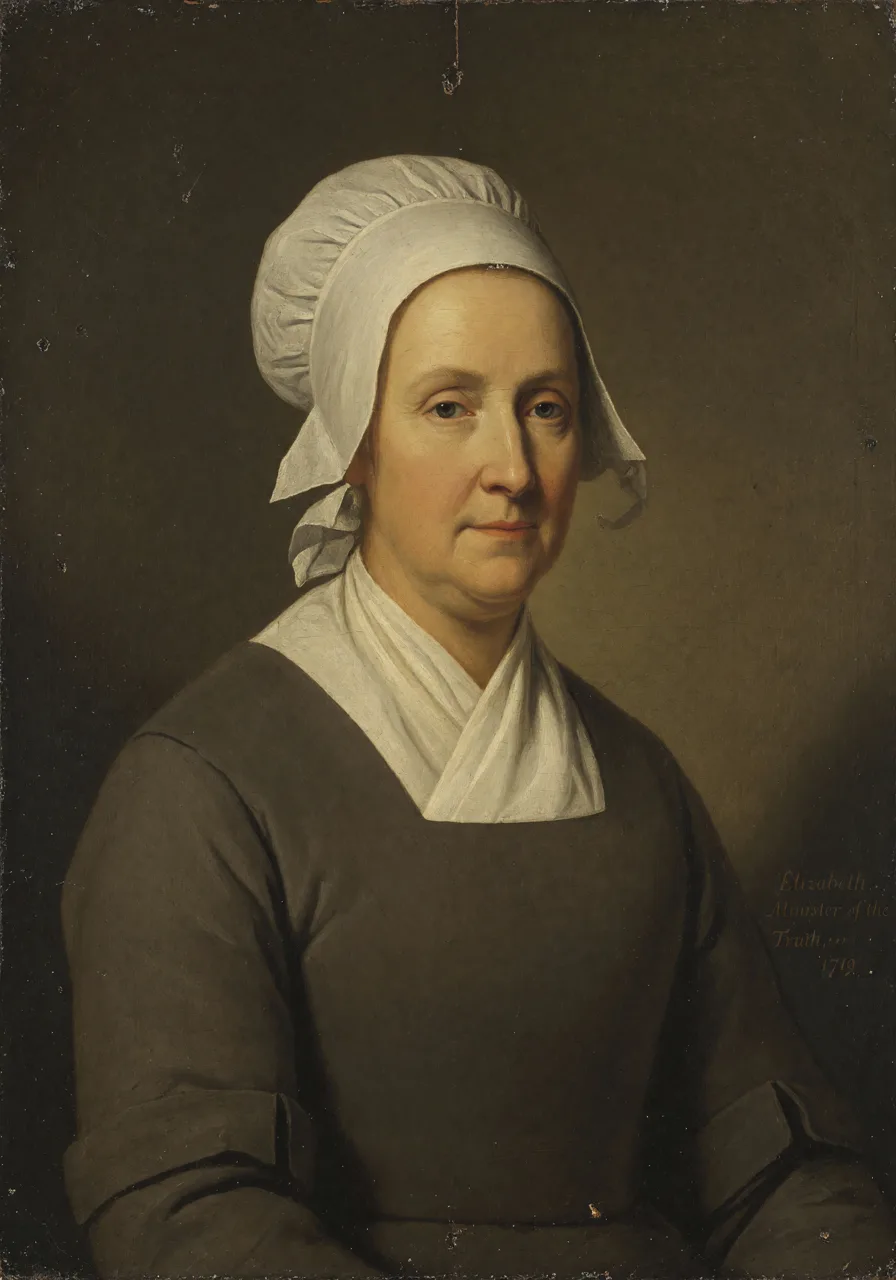
Deborah Bell
1689–1738
Margaret Lucas
1701–1769
Ann Crowley
1765–1826
Katharine Evans & Sarah Cheevers
d. 1692 / 1608–1664
Advices of the Elders of Balby
1656 / 1660
George Bishop
c. 1608–1685
John Boweter
fl. 1679–1681
Elizabeth Webb
1663–1727
Joseph Hoag
1762–1846
John Beals
Eighteenth century
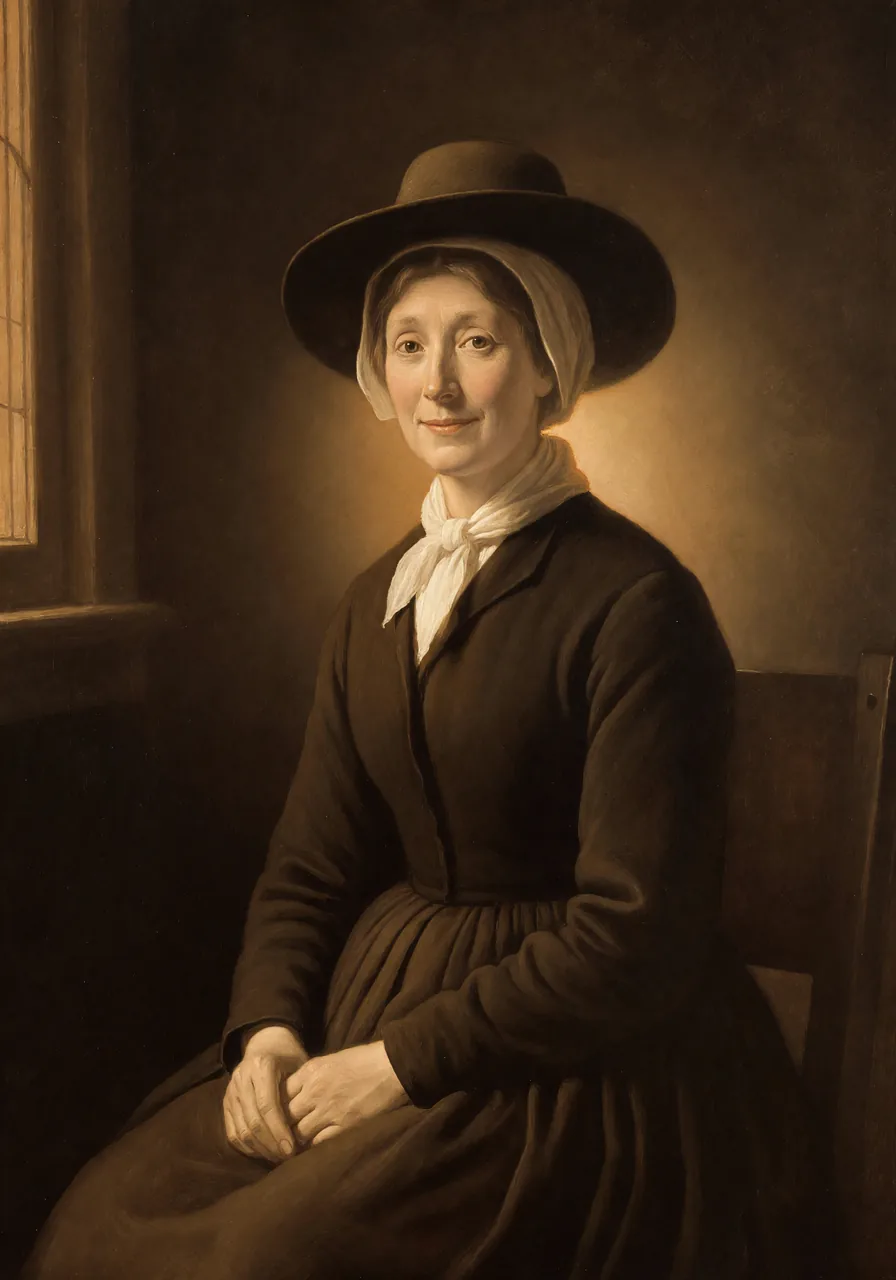
Mary Turner
Eighteenth century
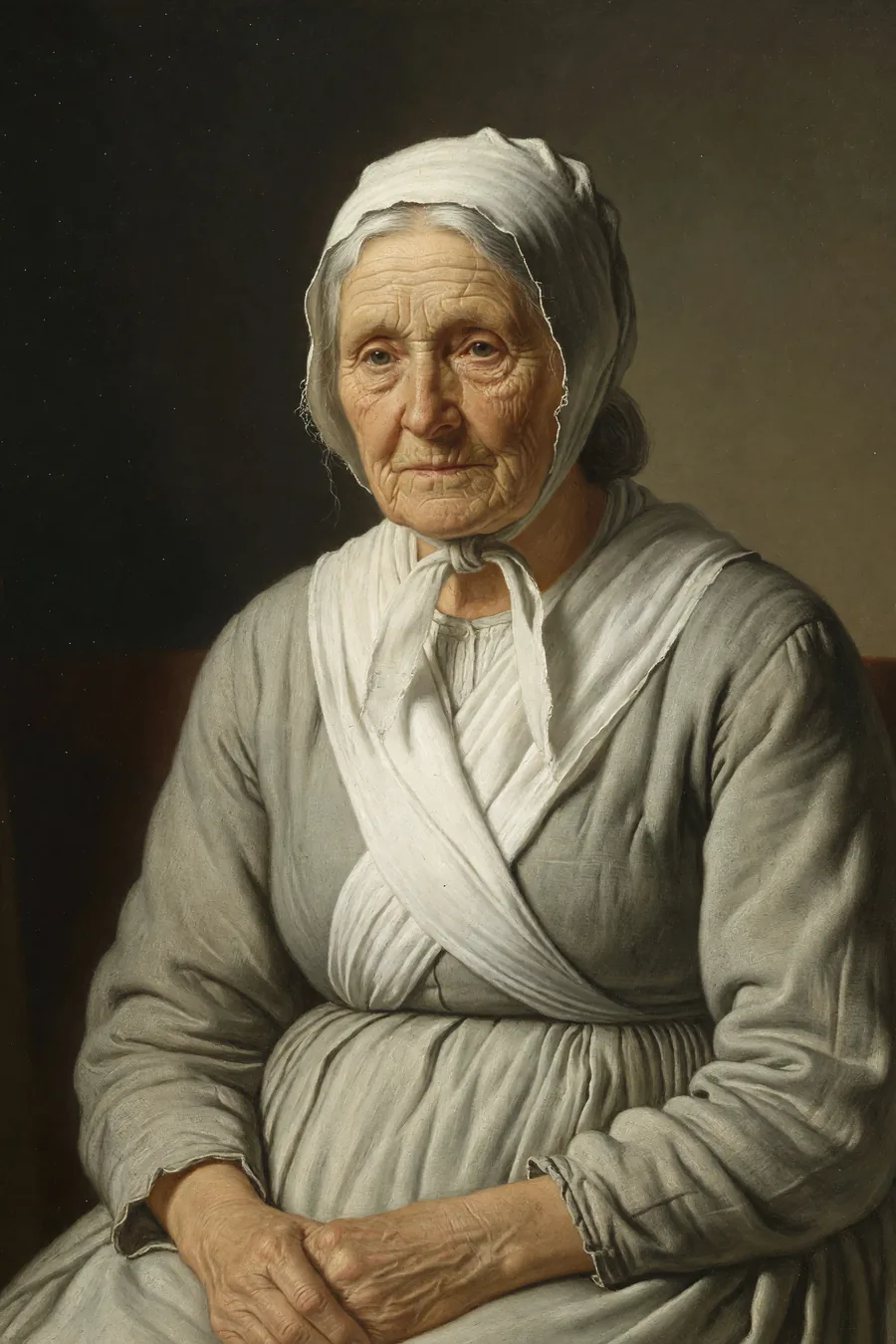
Jane Pearson
1734–1816
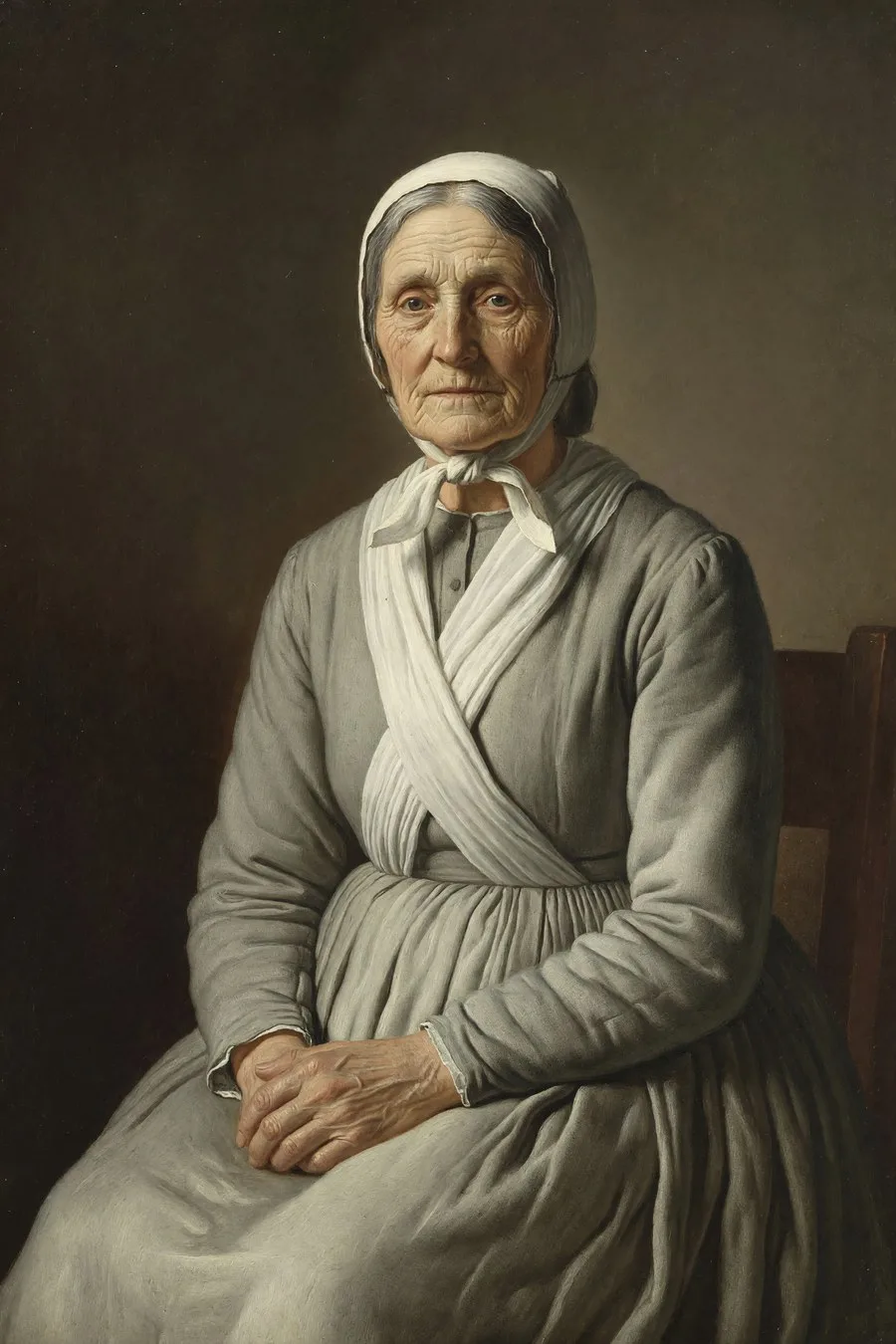
Mary Hagger
1758–1840
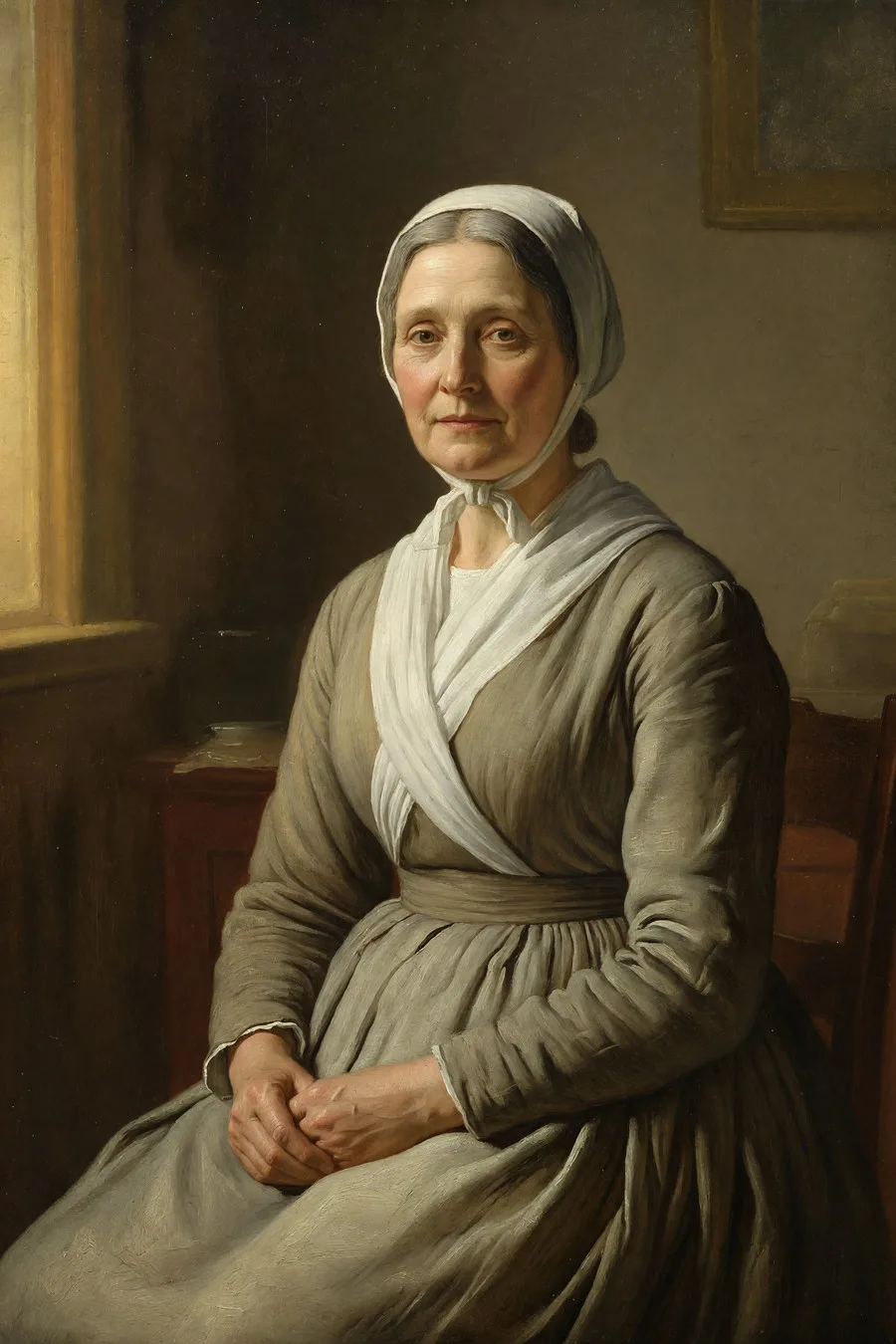
Mary Dudley
1750–1823
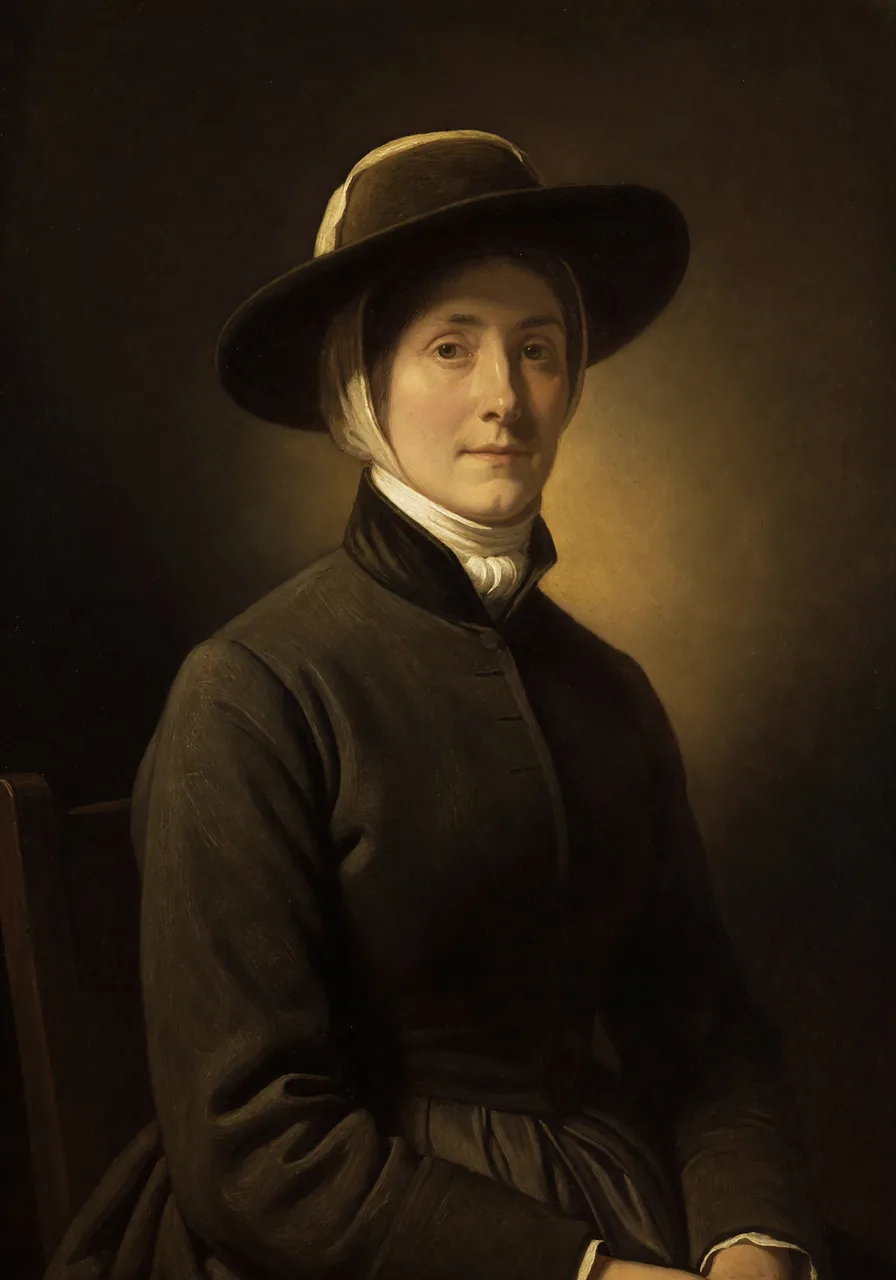
Mary Alexander
1760–1809
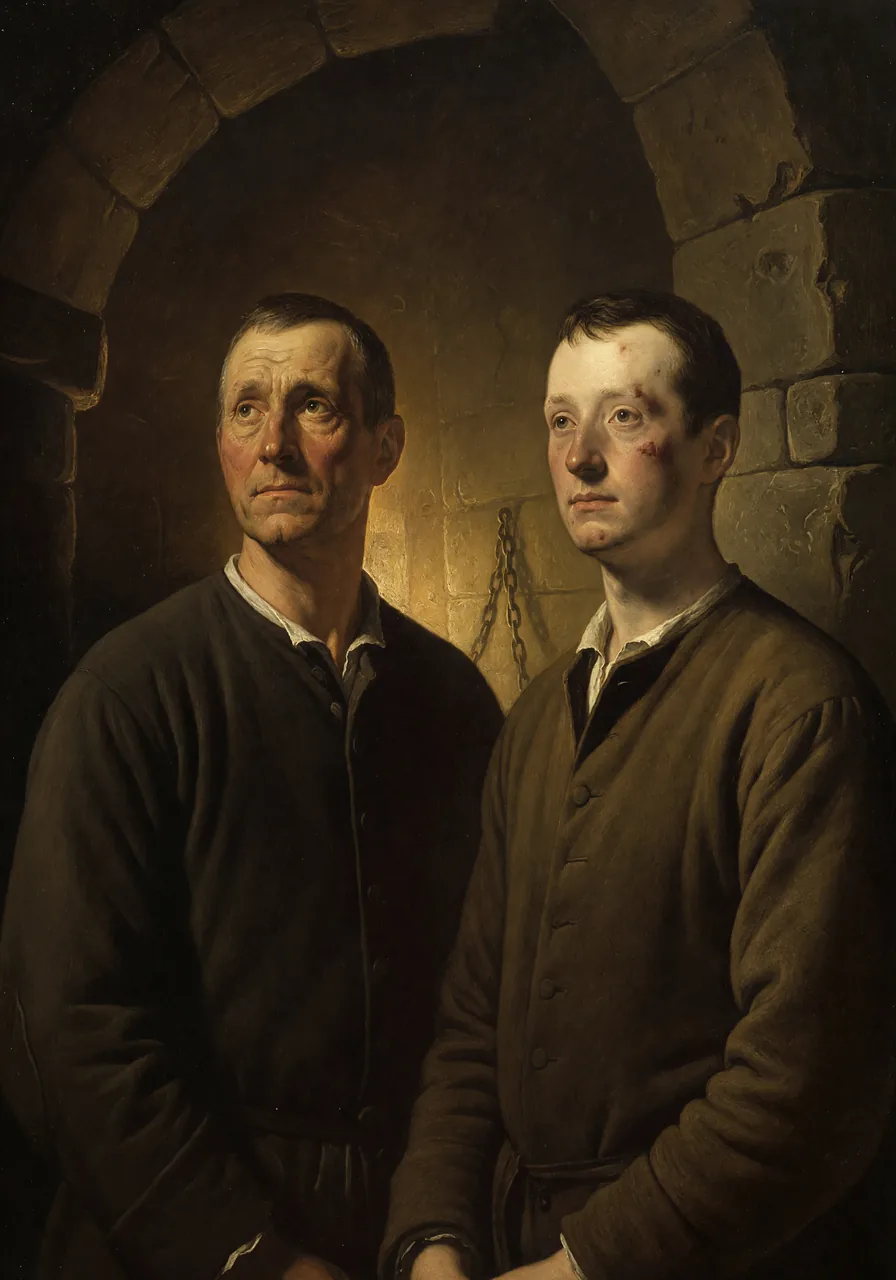
John Philly & William Moore
fl. 1660–1686
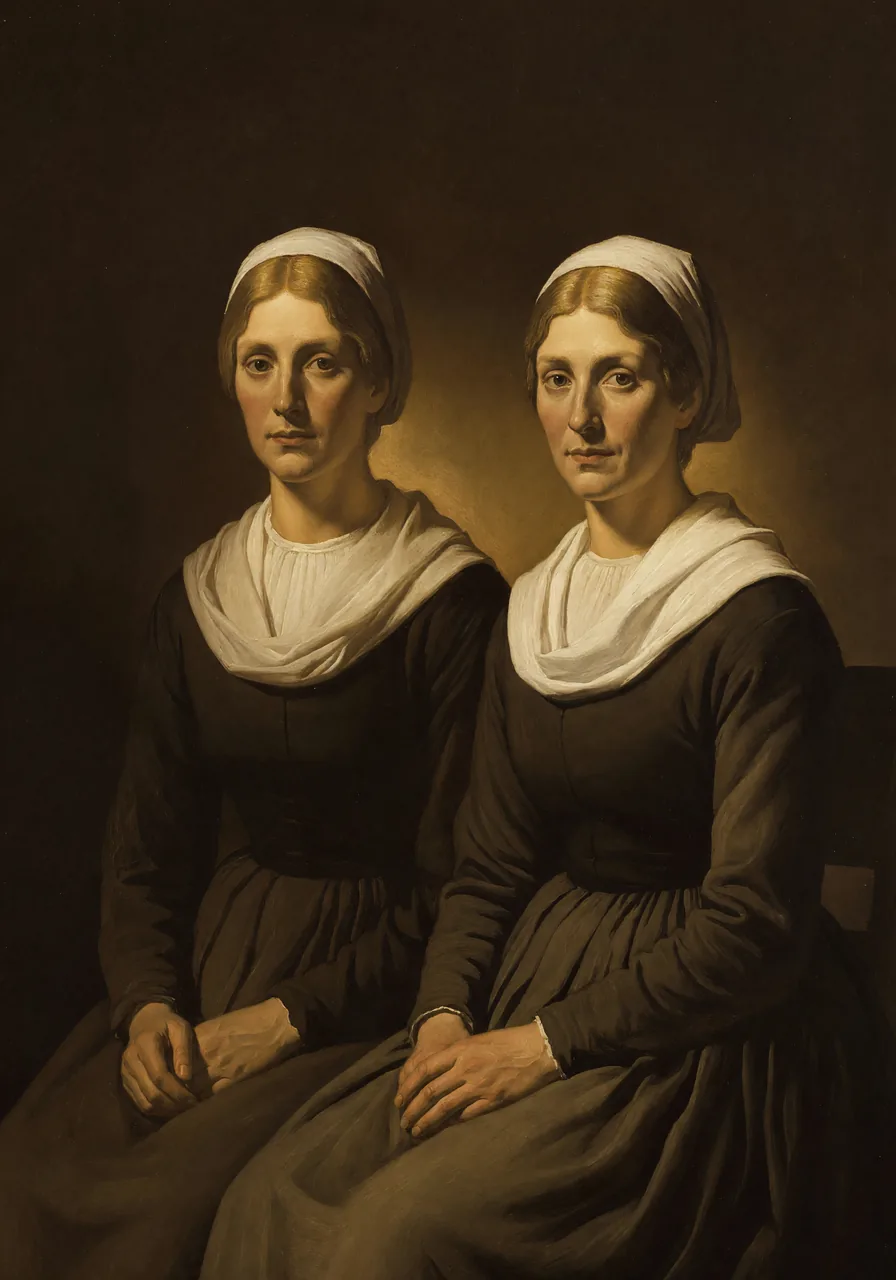
Angelina Grimké
1805–1879
Sarah Moore Grimké
1792–1873
See the Web of Relationships
Fox and Ellwood were friends. Penington was influenced by Nayler. Burrough defended Fox. Discover how these authors were connected.
View the Connections Map