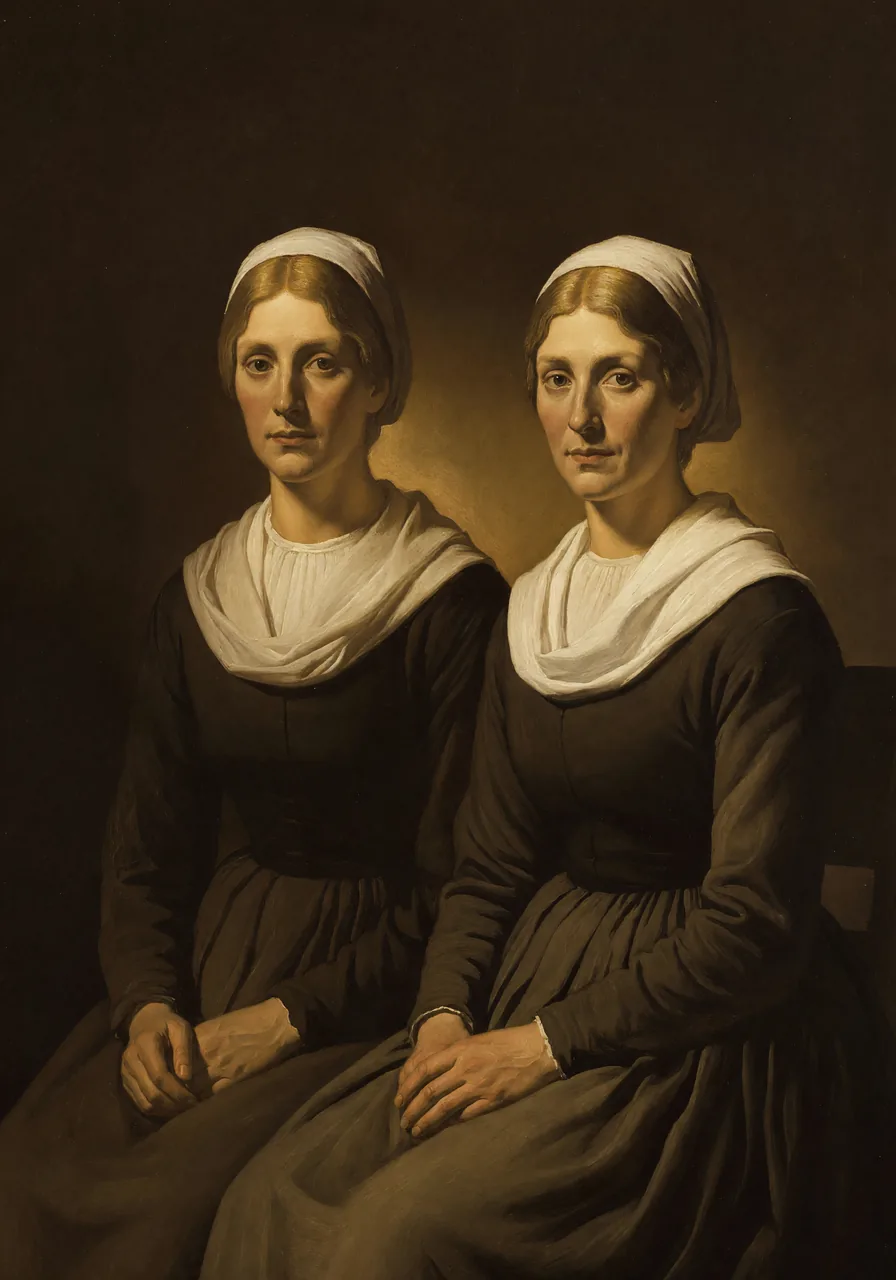
Appeal to the Christian Women of the South
Published in The Anti-Slavery Examiner. Signed from Shrewsbury, New Jersey, as 'Your sympathizing Friend.'
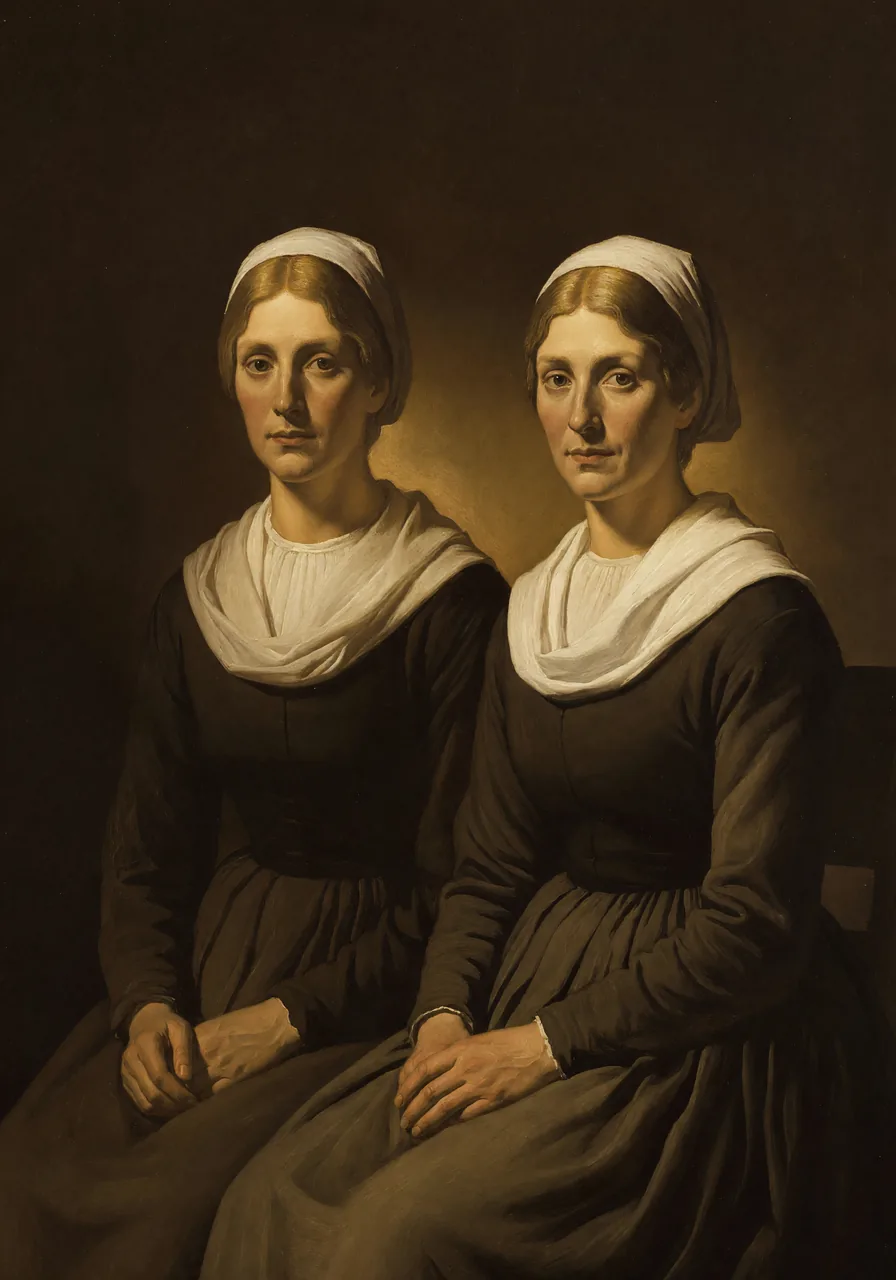
The Southern woman who told Southern women to read, pray, speak, and act
“The investigation of the rights of the slave has led me to a better understanding of my own.” — Angelina Grimké
The pamphlets collected here are dated in the Friends’ manner and spoken in the Friends’ thee. Angelina signs the Appeal from Shrewsbury, New Jersey, in 1836, and the Letters to Catharine Beecher from Massachusetts towns in 1837. In the Appeal she tells Southern women she had already been ‘compelled by a strong sense of duty, to break those outward bonds of union which bound us together as members of the same community, and members of the same religious denomination’ — the Southern church of her raising, in her own sentence. The corpus does not record a later meeting minute against her, and this site will not invent one. What it will mark is that her Quaker membership, as the printed record here stands, is the years of these pamphlets; what followed is a different literature, and is not collected here.
The Appeal to the Christian Women of the South is not a Northern lecture. It is a letter from a woman the recipients already knew.
It is because I feel a deep and tender interest in your present and eternal welfare that I am willing thus publicly to address you. Some of you have loved me as a relative, and some have felt bound to me in Christian sympathy, and Gospel fellowship.
That is the first paragraph, after Esther. She is writing to Southern women who had watched her leave — “even when compelled by a strong sense of duty, to break those outward bonds of union which bound us together as members of the same community, and members of the same religious denomination.” She asks them, “for the sake of former confidence, and former friendship, to read the following pages in the spirit of calm investigation and fervent prayer.”
The argument is scriptural and then practical. Dominion in Genesis is over the creatures, not over a fellow human being. Hebrew servitude is not American slavery. The Gospel of love will not bless the holding of a person as property. Then she tells them what they can do: read, pray, speak, and act. Teach those held in bondage to read, “if it were only that they might read the Bible.” The close is dated Shrewsbury, New Jersey, 1836, and signed “Your sympathizing Friend, Angelina E. Grimké.”
The Letters to Catharine Beecher are the same voice, a year later, on the road. Beecher had told abolitionists to be quieter, and women among them to keep to the domestic sphere. Angelina’s first letter is dated Brookline, Massachusetts, “6 months 12th, 1837”:
The great fundamental principle of Abolitionists is, that man cannot rightfully hold his fellow man as property. Therefore, we affirm, that every slaveholder is a man-stealer.
Letter XII, East Boylston, “10th mo. 2d, 1837,” is the hinge. She has been investigating the slave’s title, and it has shown her her own:
The investigation of the rights of the slave has led me to a better understanding of my own.
The pamphlet itself capitalizes the heading: HUMAN RIGHTS NOT FOUNDED ON SEX. Then her doctrine, in her own sentence:
My doctrine then is, that whatever it is morally right for man to do, it is morally right for woman to do.
The last letter is dated Holliston, “10th month 23d, 1837.” The pamphlets end there. This page does not continue past them.
Published in The Anti-Slavery Examiner. Signed from Shrewsbury, New Jersey, as 'Your sympathizing Friend.'
Thirteen letters written on the road, from Brookline (6 months 12th) through East Boylston (10th mo. 2d) to Holliston (10th month 23d). Letter XII states that human rights are not founded on sex.
The Friends Illuminated edition: Angelina's Appeal, Sarah's Epistle, and the complete Letters to Catharine Beecher.
1836. Addressed to the Christian women of the slaveholding states, and signed from Shrewsbury, N. J.
1837–38. Thirteen letters in reply to Beecher's essay on slavery and abolitionism.