An Account of the Convincement of Margaret Lucas
Available NowA first-person narrative of conversion and constancy against family opposition — short, dramatic, and deeply personal.
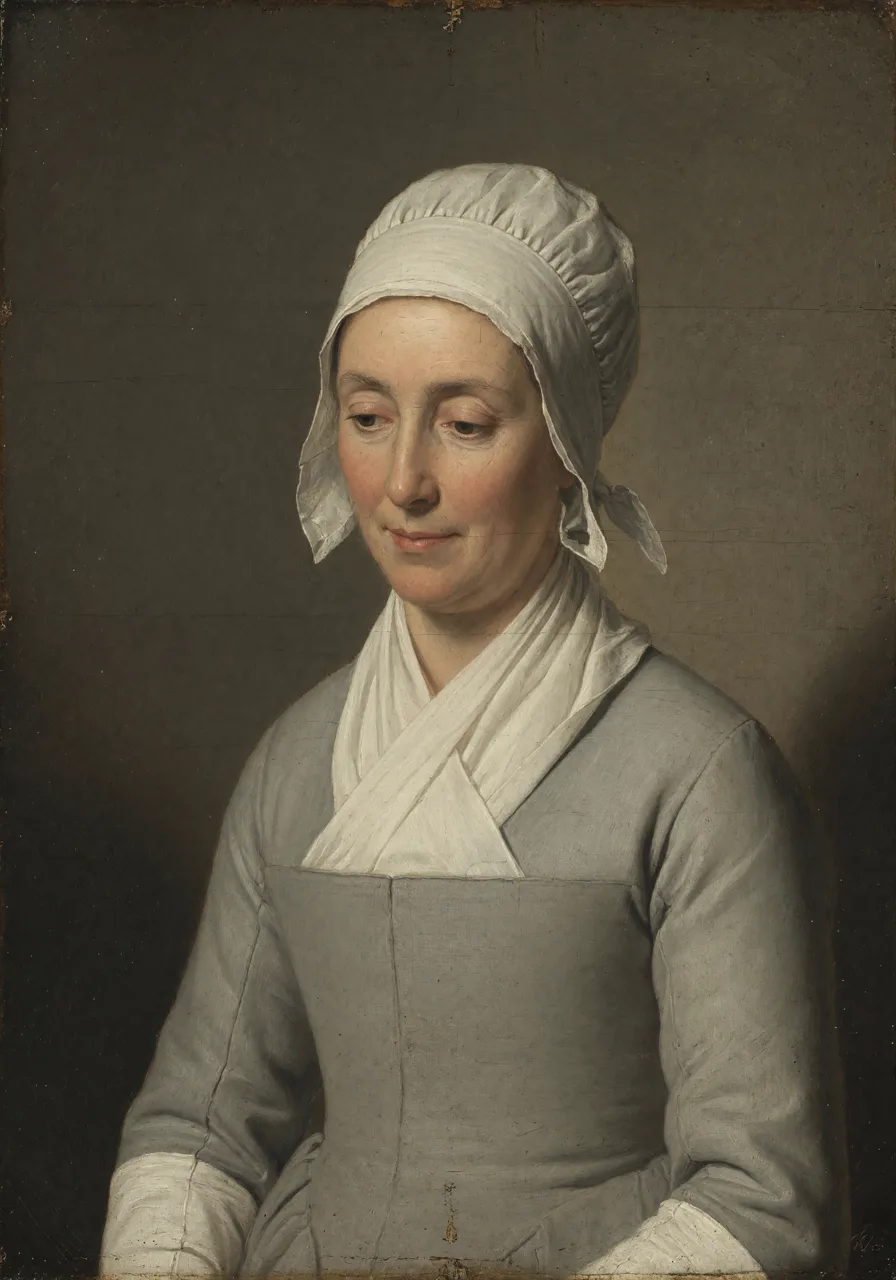
Convert whose steadfastness overcame a family's opposition
Margaret Lucas was born in London in 1701 and orphaned as a child, then sent to be brought up by an uncle and aunt at Leek in Staffordshire. She grew up a devout and zealous member of the Church of England — a constant attender at every service and saint’s day, a young woman who loved the bells, the pew, and the offered prayer. Nothing in her upbringing pointed toward Friends, and her narrative is unusually careful to say so.
Then the forms began to fail her. In a season of deep spiritual hunger she heard the Quakers preach and found among them a satisfaction her old devotions had never given. What follows in her account is not a quiet conversion but a long, buffeting struggle against the whole weight of a respectable household set on turning her back. Parsons were sent to reason with her and to mock her. Her uncle raged. Her aunt, in unguarded passion, struck at her with a fireshovel and a candlestick, and once pinched and held her arm so long in the shop that the doctor feared she would lose it. Through every threat and blow Lucas was, in her own phrase, “mercifully kept steady in soul,” believing herself in the way of her duty.
Her account is prized because it is so honest about the cost, and because it is honest about which cost was highest. The cruelty was not the hardest thing. The tenderest temptation was her only brother’s loving letter, offering her a home in London if she would give up the Friends. She answers it, and never hears from him on the subject again. She records this without self-pity and without softening what it meant.
The taking-up of the plain language — the plain “thee” and “thou” that publicly marked a Friend and could not be taken back — she treats as the decisive and expensive act it was. The second part of the narrative traces a hidden call and her final yielding to it. She died in 1769.
Her Account of her convincement stands among the most affecting first-person narratives in the Friends’ Library: short, dramatic, written in the plain searching voice of personal experience, and concerned less with argument than with the question of what a young woman will endure to keep faith with what she has seen.
A first-person narrative of conversion and constancy against family opposition — short, dramatic, and deeply personal.