Born in Westmorland
Born in the Lake District, a remote region where traditional religious structures were weak and underground Seekers flourished.
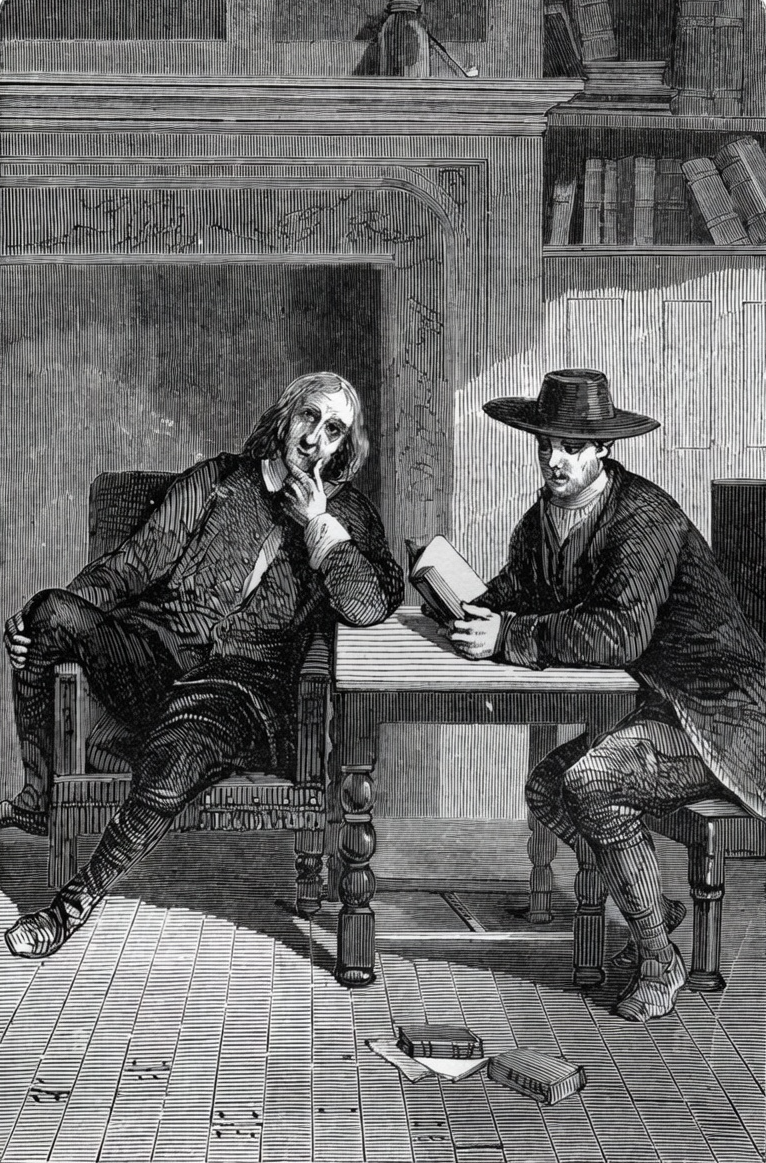
First Publisher of Truth, Voice of the Movement
“The day of the Lord is come, and his power revealed, and made manifest in his people.” — Edward Burrough
Edward Burrough was born in 1634 at Underbarrow in Westmorland, a remote corner of northwest England where the established church’s influence was weak and networks of Seekers — earnest Puritans dissatisfied with all existing denominations — had formed. This spiritual landscape prepared the ground for what happened in 1652, when the eighteen-year-old Burrough heard George Fox preach at a Baptist chapel in Sedbergh. His convincement was immediate and complete.
From the moment of his conversion, Burrough threw himself into ministry with extraordinary energy. He partnered with Francis Howgill, another young Westmorland convert, and the two became inseparable — co-laborers who complemented each other perfectly. Howgill was the more pastoral and reflective; Burrough was fire. His contemporaries called him “The Son of Thunder,” and the title was well earned. His preaching could fill a hall to overflowing and leave audiences shaking. His pen was equally formidable — he produced more than 2,000 pages of writings before his death at twenty-nine.
In 1654, Burrough and Howgill brought Quakerism to London, the most important strategic move in the movement’s early years. Within three years they had converted thousands, established meetings throughout the capital, and made Quakerism a force that Parliament could no longer ignore. Burrough became the movement’s principal public voice in London, debating opponents, writing pamphlets against charges of sedition, and confronting the powerful on behalf of persecuted Friends.
His boldness was legendary. In 1658, he waited on Oliver Cromwell at Whitehall to demand religious toleration. When the Lord Protector refused, Burrough warned him: “He that made the world to be a habitation for man shall make it too hot for thee.” Cromwell died four months later. Whether or not Burrough took this as confirmation of his prophecy, the anecdote captures his fearlessness before earthly power.
Burrough also engaged in one of the most significant pamphlet wars of the period — a sustained exchange with John Bunyan, author of The Pilgrim’s Progress. In The True Faith of the Gospel of Peace (1656), Burrough defended the Quaker understanding of the Inward Light against Bunyan’s Calvinist orthodoxy. The debate was fierce but theologically substantive, and it established Burrough as one of the movement’s most capable controversialists.
The Restoration of Charles II in 1660 brought intensified persecution. The Quaker Act of 1662 made it illegal for five or more Quakers to meet for worship. Burrough was arrested repeatedly for attending meetings and refusing oaths. Already weakened by previous imprisonments and the relentless pace of his ministry, his health deteriorated rapidly in the squalor of Newgate Prison.
He died there in February 1663, not yet thirty years old. Francis Howgill’s memorial preface to Burrough’s posthumous Memorable Works contains one of the most loved passages in all Quaker literature — the famous “Kingdom of Heaven did gather us” passage that describes the early movement’s experience of spiritual unity. It stands as both a tribute to Burrough and a window into what the first generation of Friends believed was happening among them.
Burrough’s collected works, published posthumously in seven volumes, exceed 2,000 pages — an astonishing output for a man who lived less than three decades. They preserve the voice of early Quakerism at its most prophetic, urgent, and uncompromising.
Burrough belonged to the “Valiant Sixty,” the band of early preachers who scattered from the north of England to carry the Quaker message across the nation. His partnership with Francis Howgill was the engine of the movement’s conquest of London, and his early travels alongside James Nayler — before Nayler’s tragic Bristol episode — placed him at the center of Quakerism’s most formative and turbulent years. Convinced under George Fox at Sedbergh at just eighteen, Burrough became the boldest of a generation that measured faithfulness by its willingness to suffer.
What sets his writing apart is its range: the same pen that thundered against Cromwell and debated John Bunyan could turn to write tender pastoral epistles nurturing frightened, scattered congregations. That breadth is why his output filled seven volumes, now rendered in modern English by Friends Illuminated — from the doctrinal arguments to the letters to rulers, beginning with Complete Works of Edward Burrough, Volume 1 and the biography The Life of Edward Burrough. His brief, blazing career is charted among his contemporaries on the Quaker history timeline. The seventeenth-century originals remain free in the public domain; the Illuminated editions exist to make his urgent, archaic prose legible for a new generation.
Born in the Lake District, a remote region where traditional religious structures were weak and underground Seekers flourished.
Heard George Fox preach at a Baptist chapel in Sedbergh. Burrough was 18; his convincement was immediate and complete.
Burrough immediately began proclaiming the Quaker message, traveling with Francis Howgill as one of the 'First Publishers of Truth.'
Burrough and Howgill arrived in London. Within three years, they had converted thousands and established Quaker meetings throughout the capital.
Published 'To the Present Distracted and Divided Nation of England,' defending Quakers against charges of sedition. He and Howgill were becoming the movement's public voice.
Waited on Cromwell at Whitehall, demanding religious toleration. When rebuffed, he warned: 'He that made the world to be a habitation for man shall make it too hot for thee.'
Charles II's return meant persecution intensified. Burrough was arrested repeatedly for illegal assembly and refusing oaths.
Arrested for attending Quaker meetings. Already weakened by previous imprisonments, his health deteriorated rapidly.
Died in prison at age 29. His collected works, published posthumously, would exceed 2,000 pages.
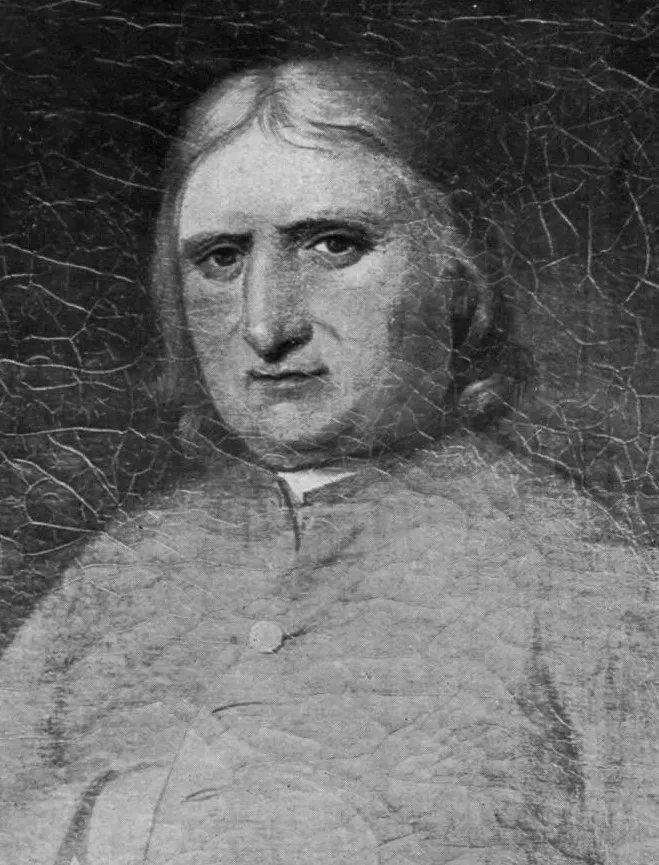
Fox convinced Burrough at Sedbergh. Though Burrough's ministry was independent, he always acknowledged Fox's foundational role.
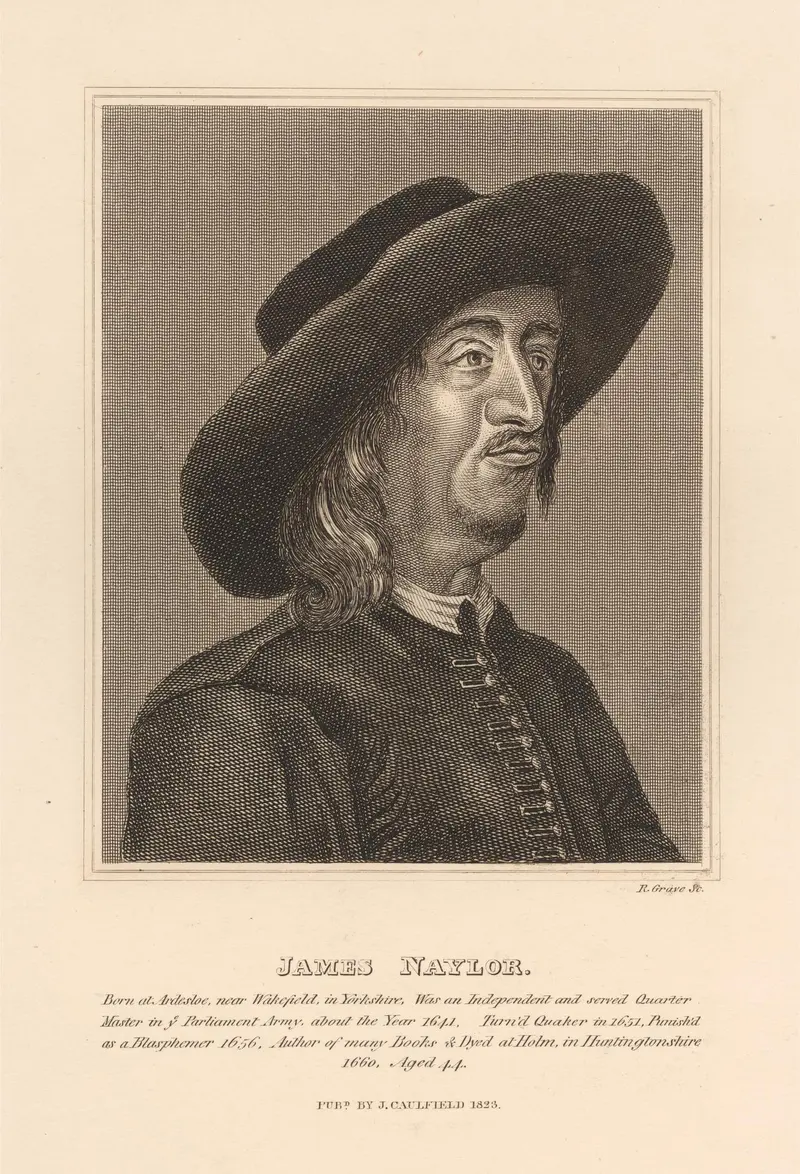
Both early converts in the north, Burrough and Nayler frequently traveled together before Nayler's controversial Bristol entry.
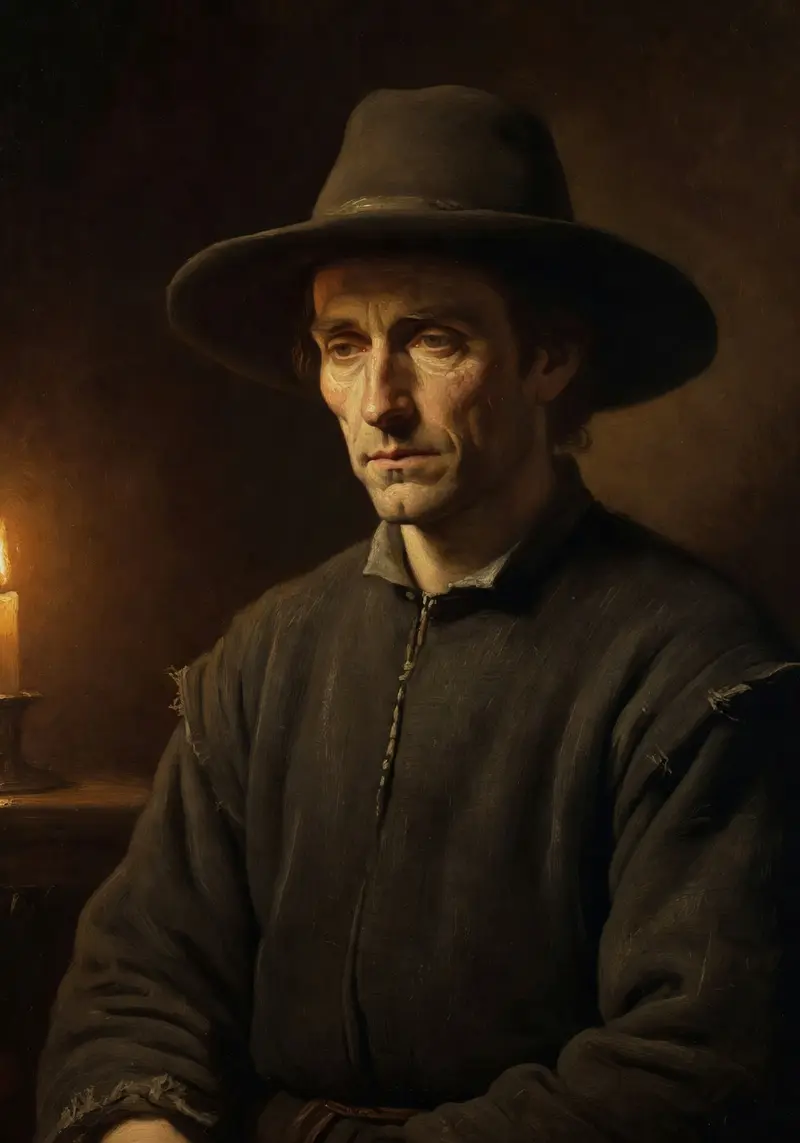
Howgill and Burrough were inseparable partners. Together they converted London and wrote the movement's first published defenses.
Swarthmore Hall sheltered Burrough during his early ministry. He corresponded with Margaret about the movement's rapid growth.
The definitive biography of the 'Son of Thunder' — a deeply researched account of the brief, blazing life of Edward Burrough, from his conversion under George Fox to his death in Newgate Prison at twenty-nine.
The opening volume of Burrough's collected writings — the earliest tracts of the Quaker movement's most electrifying voice, a young preacher who shook England before dying in Newgate Prison at twenty-nine.
The second volume of Burrough's collected works — his sustained debates with priests, professors, and opponents of the Quaker movement, marking him as one of the most formidable controversialists of his age.
Burrough's letters to rulers and magistrates — his bold addresses to Parliament, Oliver Cromwell, and the city authorities who persecuted Friends, demanding freedom of conscience and the rule of justice.
Burrough's epistles to Friends — the pastoral letters in which the thundering controversialist reveals his gentler face, nurturing the gathered communities of Quakers who looked to him for guidance and encouragement.
Burrough's doctrinal writings — his most sustained theological arguments for the central tenets of Quaker faith: the Inward Light, direct revelation, the priesthood of all believers, and the sufficiency of Christ as teacher.
Burrough's mission writings — his accounts of Quaker ministry in Ireland, his addresses to the people of London, and his writings from the years of growing persecution as the Restoration brought new dangers to Friends.
The final volume of Burrough's collected works — his last writings from captivity, his farewell letters to Friends, and the testimonies of those who witnessed his death in Newgate Prison at the age of twenty-nine.