Born in Leicestershire
Born in Drayton-in-the-Clay (now Fenny Drayton) to Puritan parents. His father was a weaver.
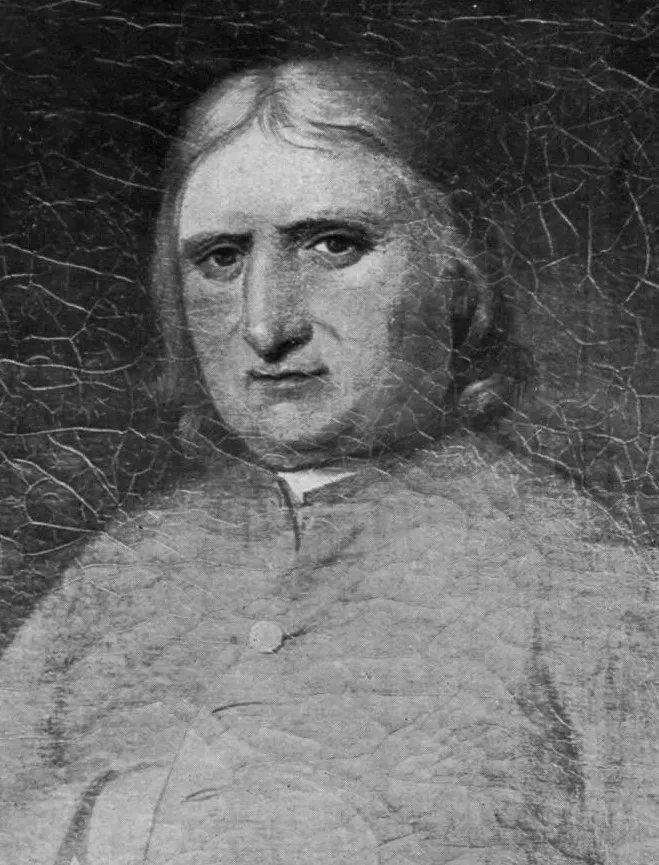
Founder of the Religious Society of Friends
“There is one, even Christ Jesus, that can speak to thy condition.” — George Fox
George Fox was born in 1624 at Drayton-in-the-Clay (now Fenny Drayton), Leicestershire, to Christopher Fox, a weaver whom neighbors called “Righteous Christer,” and Mary Lago, of a family that had produced several Protestant martyrs. Fox’s parents raised him in the Church of England with strong Puritan leanings, and from an early age he displayed an unusual gravity and moral seriousness that set him apart from his peers.
At nineteen, troubled by a deepening spiritual crisis, Fox left home to wander the English Midlands seeking counsel from ministers and teachers. None could answer his condition. Priests advised him to sing psalms, take tobacco, or get married; one flew into a rage when Fox accidentally stepped on a flower bed. Fox’s disillusionment with the professional clergy became absolute. He later wrote that he was brought to the point where “there was none among them all that could speak to my condition.”
The breakthrough came in 1647. Walking alone in a field, Fox heard a voice: “There is one, even Christ Jesus, that can speak to thy condition.” The experience shattered his despair and became the foundation of his preaching — that God could be known directly, without mediating clergy, sacraments, or university training. Christ was not merely a historical figure but a living Teacher present in every human being as the Inward Light.
Fox began preaching publicly, and his message drew immediate attention — and opposition. He was first imprisoned at Nottingham in 1649 for interrupting a sermon. At Derby in 1650, Justice Gervase Bennet mockingly called him a “quaker” because he bade the judge tremble at the Word of God; the name stuck. Fox spent nearly six years of his life in some of the worst prisons in England, including Launceston, Scarborough, and Worcester.
The movement’s explosive growth came in 1652. At Pendle Hill, Fox had a vision of “a great people to be gathered.” On Firbank Fell, he preached for three hours to over a thousand Seekers, convincing John Audland, John Camm, Francis Howgill, and others who would become the movement’s first missionaries. At Swarthmore Hall he met Margaret Fell, wife of Judge Thomas Fell, whose convincement turned the estate into Quakerism’s administrative headquarters. Within two years the movement had sent ministers across England, to Ireland, to the Continent, and to the American colonies.
Fox’s organizational genius matched his spiritual power. He established the system of monthly, quarterly, and yearly meetings that gave the Society of Friends a structure capable of surviving decades of severe persecution. He insisted on meticulous record-keeping — of births, marriages, deaths, and sufferings — creating an institutional memory that few religious movements of the period could match. He married Margaret Fell in 1669, uniting the two great leaders of the movement in a partnership that lasted until his death.
His American journey of 1671-73 took him to Barbados, Jamaica, and the mainland colonies, where he established meetings, confronted slavery, and traveled through dangerous wilderness. The trip consolidated Quakerism’s presence in the New World and produced some of his most important epistles on social justice.
Fox died in London on January 13, 1691, at the age of sixty-six. His Journal, begun in 1674 and edited by Thomas Ellwood, was published in 1694 and became one of the great spiritual autobiographies of the Western tradition. Together with Barclay’s Apology, it stood for two centuries as the foundational text of Quakerism — the record of a man who claimed to have found what the churches had lost, and who gathered tens of thousands to the same discovery.
Born in Drayton-in-the-Clay (now Fenny Drayton) to Puritan parents. His father was a weaver.
At age 19, troubled by thoughts of damnation, Fox began wandering England seeking spiritual counsel from priests and scholars.
Walking in fields one day, Fox heard a voice saying: 'There is one, even Christ Jesus, that can speak to thy condition.' This became the foundation of Quakerism.
Arrested for disturbing the peace after crying 'Woe unto this bloody city' during a sermon. This began decades of imprisonment for his faith.
Imprisoned at Derby for blasphemy. When Justice Gervase Bennet mocked him as a 'quaker' (one who trembles at the Word), the name stuck.
Richard Farnworth, James Nayler, and John Dewsbury among the first converts in the north of England, becoming powerful ministers.
At Firbank Fell, Fox convinced John Audland, John Camm, and other notable Seekers, spreading Quakerism across the north.
At Justice Thomas Fell's home, Fox convinced Margaret Fell of the truth. Swarthmore became the administrative center of the movement.
The young Edward Burrough heard Fox preaching at Sedbergh and became one of the 'First Publishers of Truth,' spreading Quakerism to London.
Spent seven months in Carlisle prison for refusing to take an oath. His famous letter 'Friends, be valiant for the truth' was written here.
Called before Oliver Cromwell, Fox demonstrated his fearless principle: never remove your hat to any man, not even the Lord Protector.
Marries his long-time friend and partner Margaret Fell (now a widow). Swarthmore Hall becomes their joint home.
Visits Barbados, Jamaica, and the American colonies. Establishes Quaker meetings and confronts slavery, converting thousands.
Dies at age 67 in London. His Journal, begun in 1674 under Thomas Ellwood's guidance, would become one of the great spiritual autobiographies.
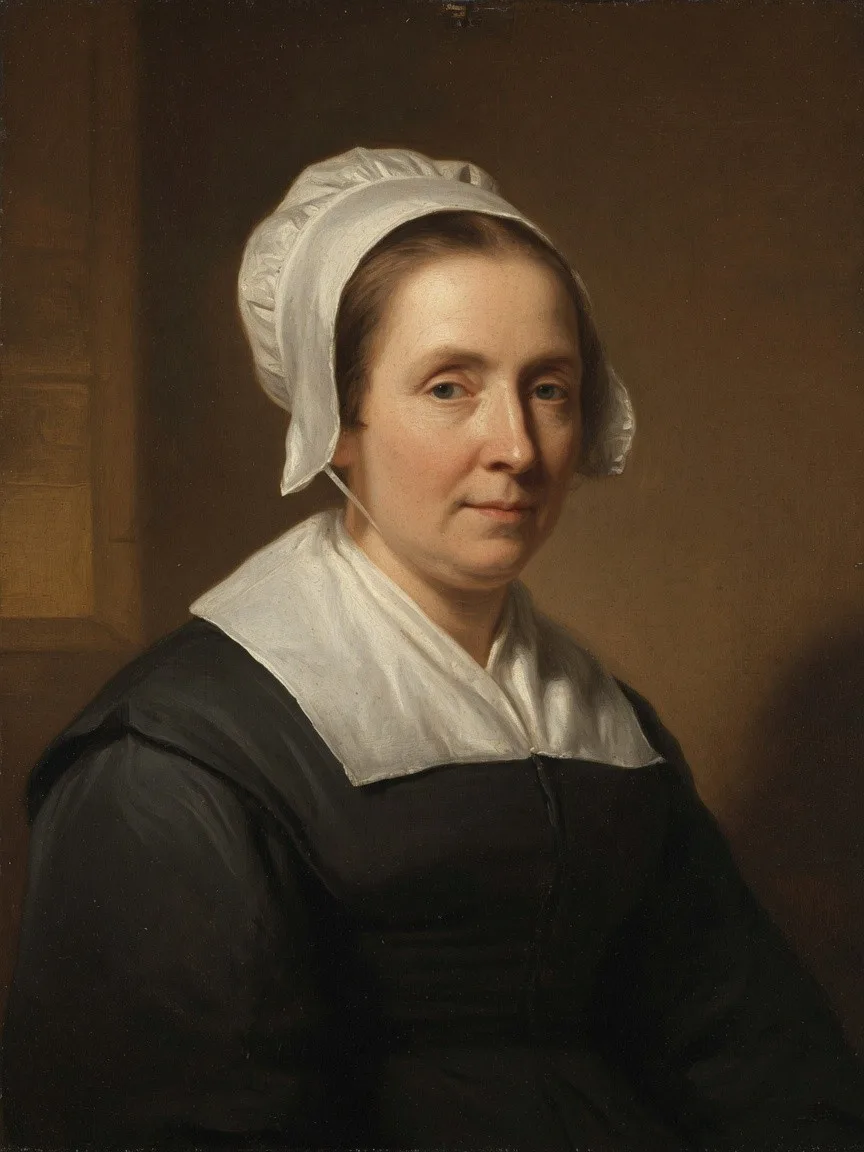
Met in 1652 at Swarthmore Hall; married in 1669. Together they led the movement through decades of persecution, imprisonment, and expansion.
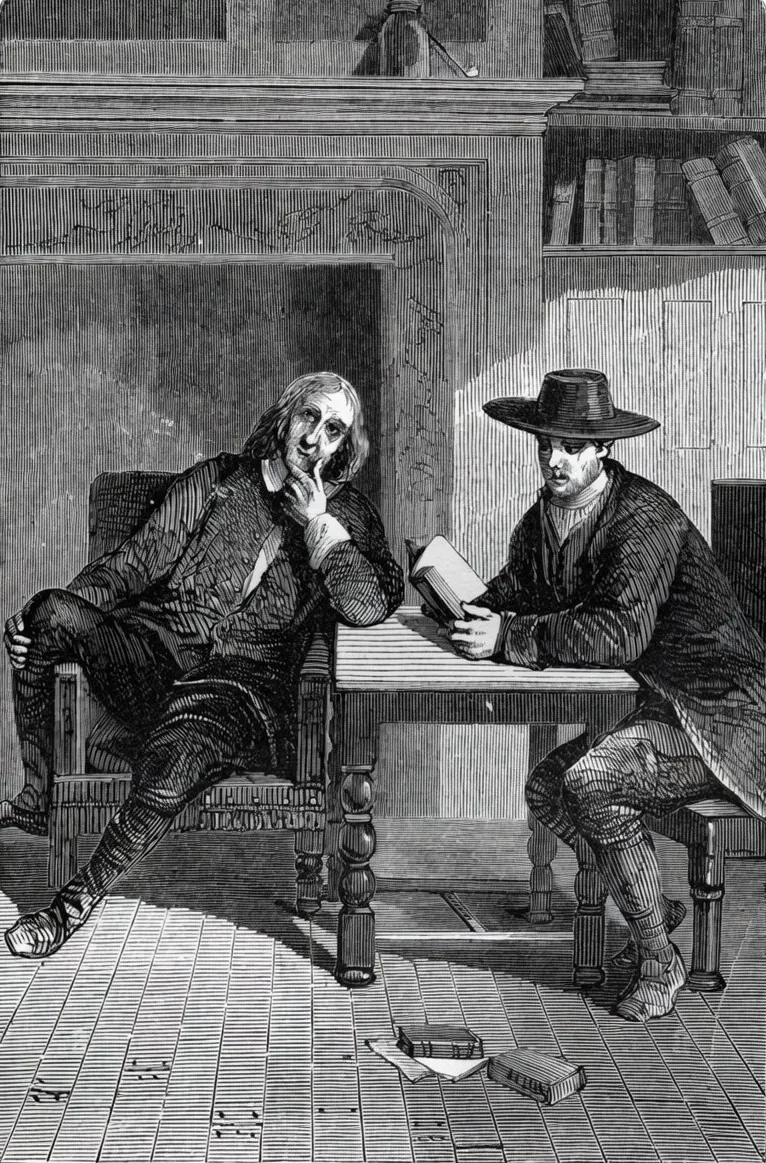
Before meeting Fox in 1659, Ellwood was an Oxford student. He became Fox's trusted friend and helped edit his Journal for publication.
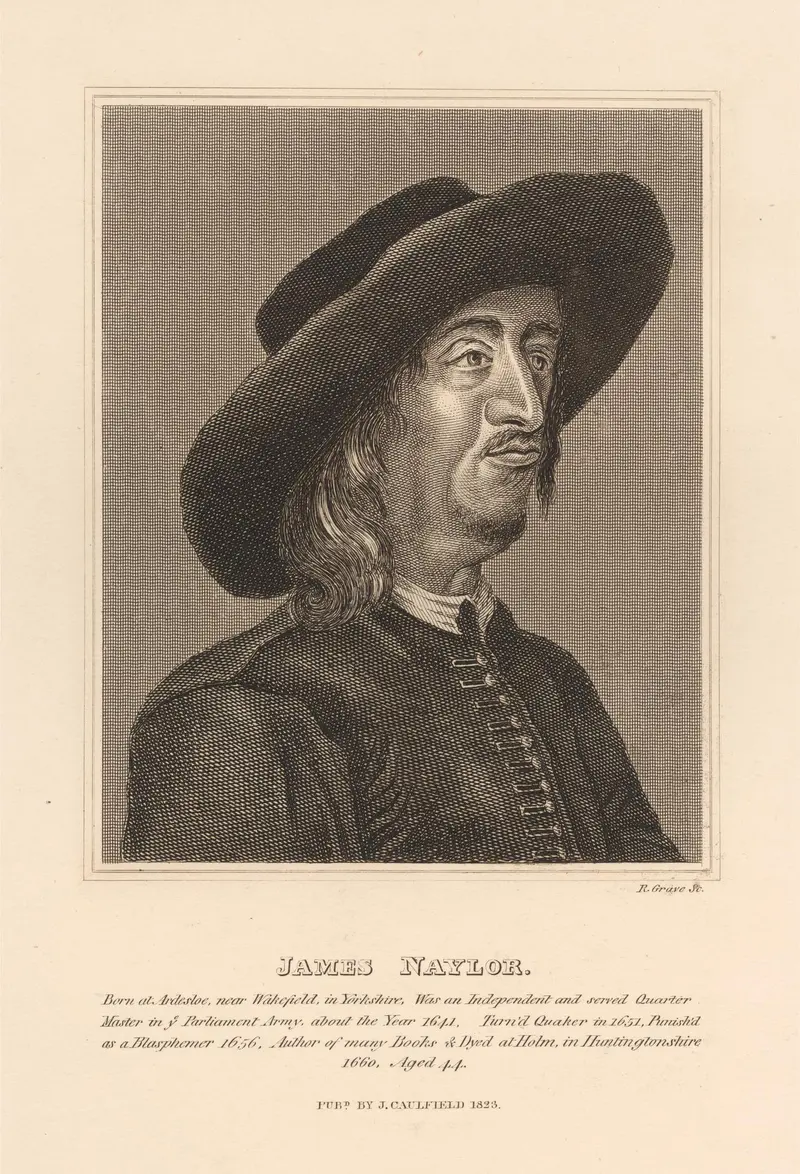
One of Fox's earliest followers, Nayler rivaled him in charisma. Their eventual reconciliation after the Bristol incident was a crucial moment for Quaker unity.
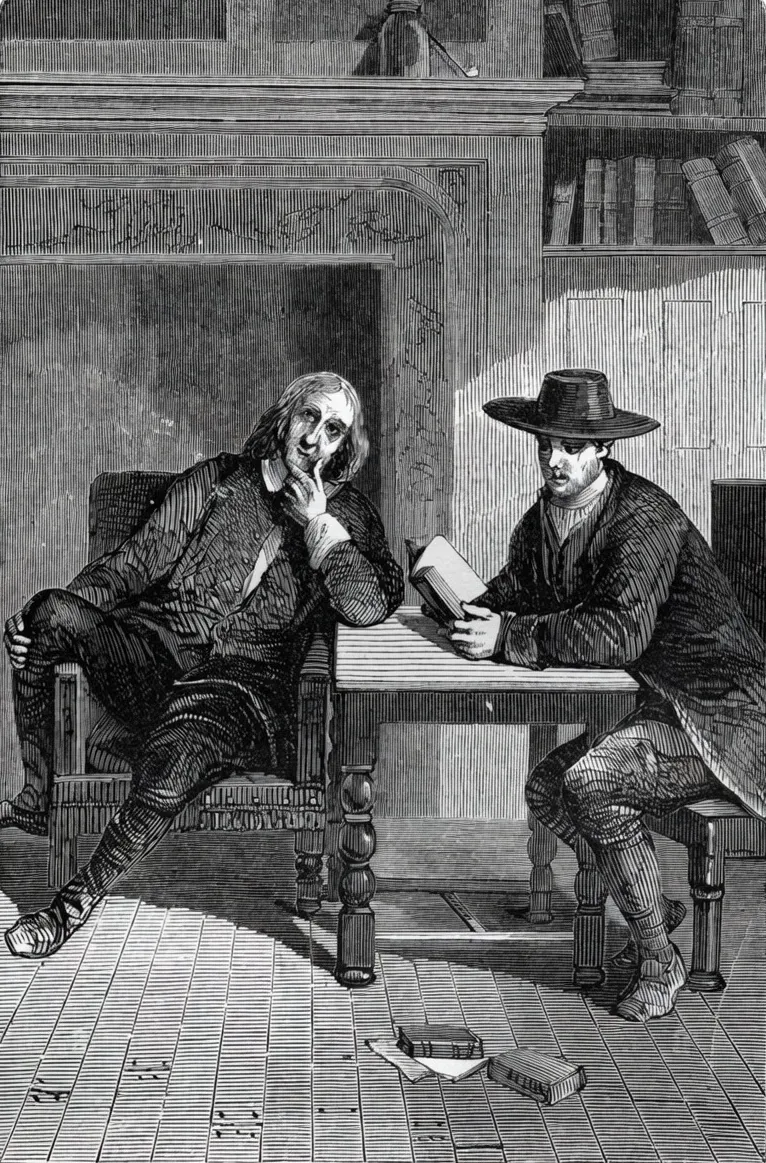
The young Burrough brought Quakerism to London in 1654. Fox relied heavily on him and Howgill to spread the message in the capital.
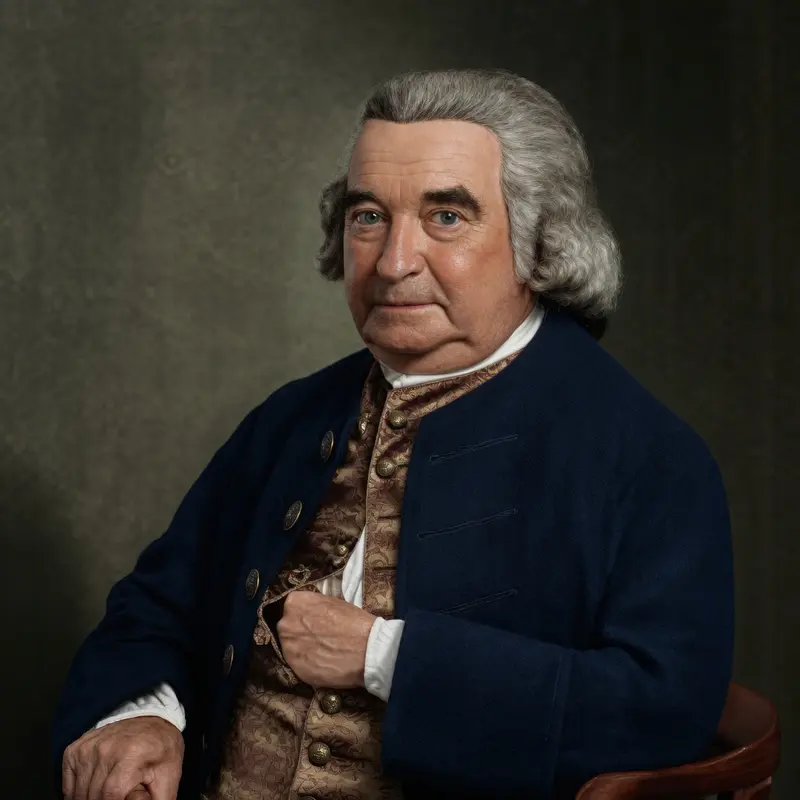
The wealthy former Anglican was convinced by Fox's writings and became one of Quakerism's deepest mystic theologians.
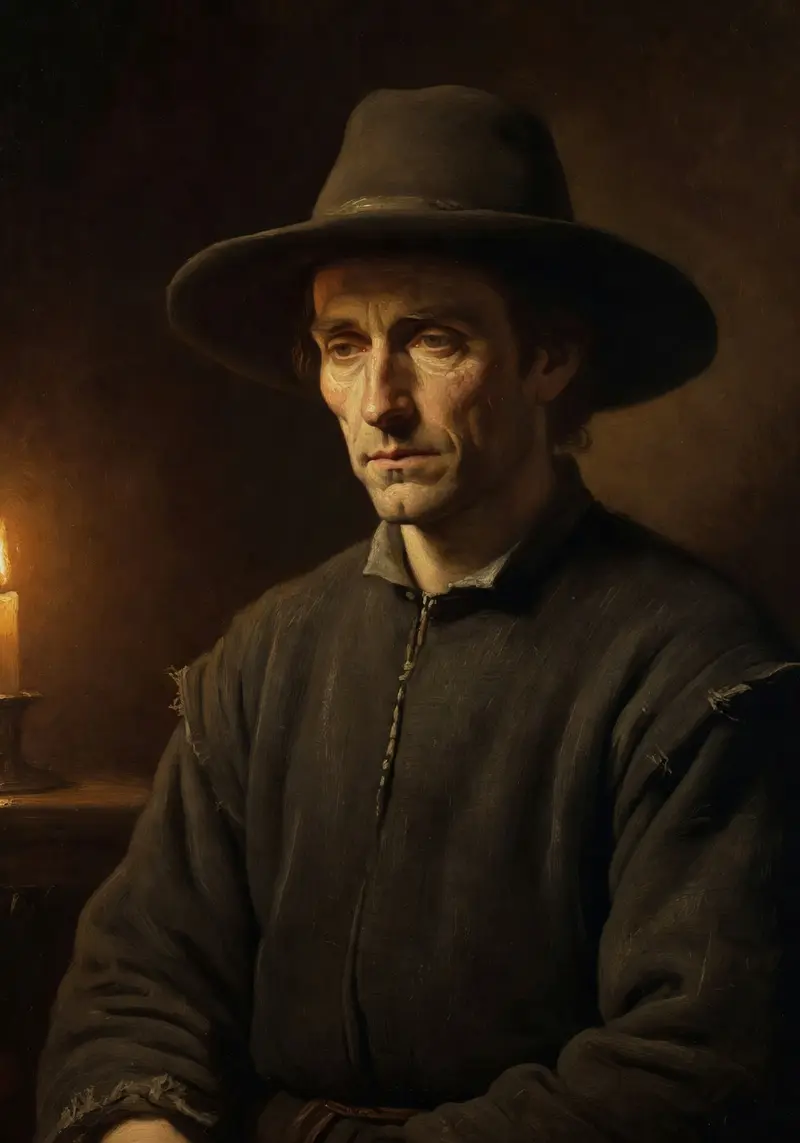
Convinced at Firbank Fell in 1652, Howgill partnered with Burrough to bring Quakerism to London. Fox relied on them both to establish the movement in the capital.
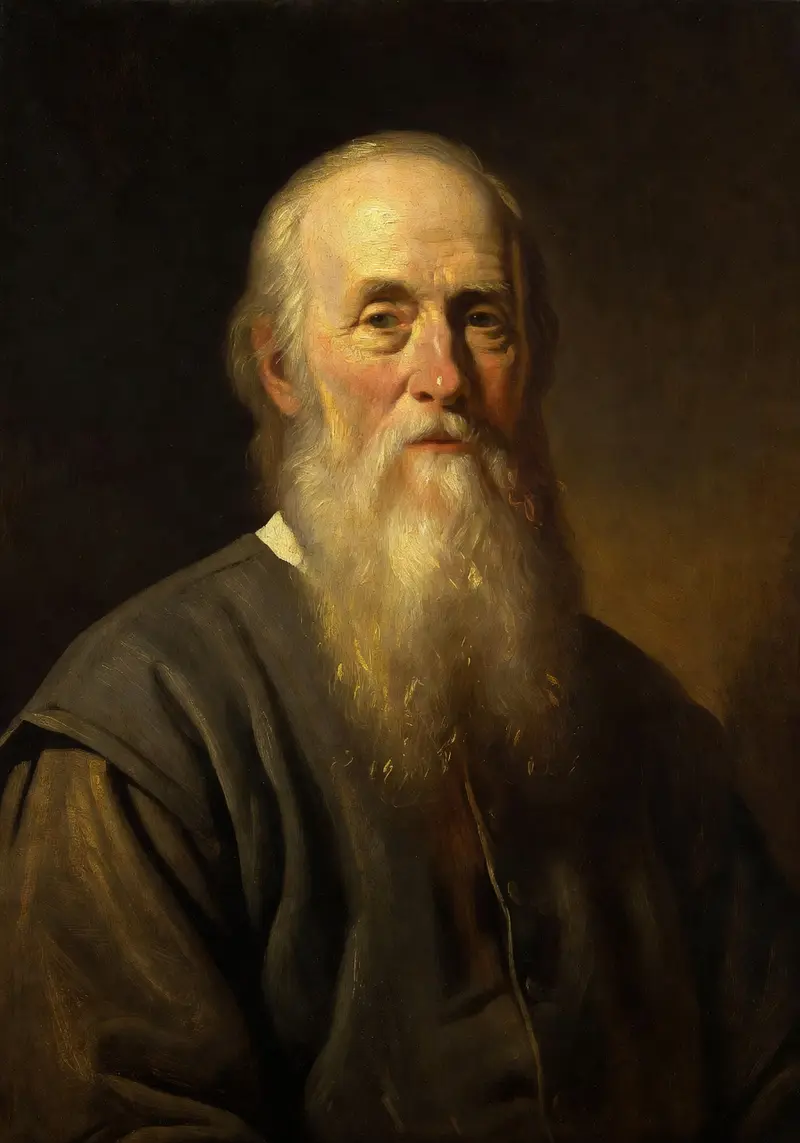
Convinced at 16, Whitehead outlived all the first generation. Fox relied on his legal acumen and organizational gifts in London; Whitehead carried Fox's legacy forward for 32 years after his death.
The complete spiritual autobiography, over 1,200 pages of Fox's travels, convincements, imprisonments, and the growth of the Quaker movement across England and America.
Fox's famous epistle against slavery, written during his American journey—among the earliest Christian condemnations of the slave trade.
Fox's accounts of healings and divine interventions—a controversial but fascinating record of early Quaker supernatural claims.