Born in Oxfordshire
Born into a respectable gentry family with Puritan leanings. His early education was at home with a private tutor.
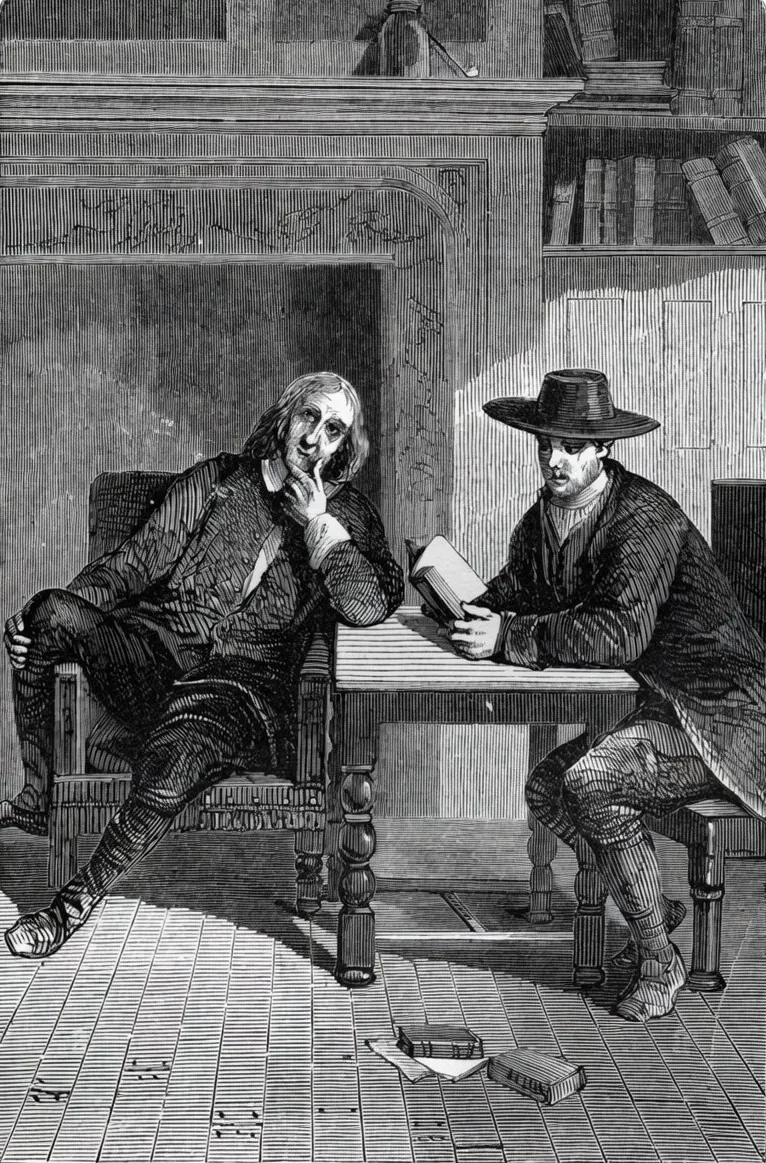
Poet, Friend of Fox, Editor of the Journal
“And I heard a voice which said to me, 'There went I, and there went Truth.'” — Thomas Ellwood
Born into a respectable gentry family with Puritan leanings. His early education was at home with a private tutor.
Briefly attended Lincoln College, Oxford, but found the atmosphere spiritually barren. He was expelled for attending unauthorized meetings.
Invited by a neighbor to meet a 'notable person.' He found Fox, fresh from prison, and was immediately convinced.
Ellwood's excellent handwriting and education made him invaluable. He began taking dictation from Fox and helping with correspondence.
Ellwood claimed he coined the term 'Quakers'—or at least popularized it—based on Fox's instruction to 'quake at the word of the Lord.'
His epic poem on the life of David was dedicated to William Penn. It shows Quakerism's engagement with classical literature.
Visiting his neighbor John Milton (now blind), Ellwood suggested the follow-up to Paradise Lost: a poem about Christ's temptation in the wilderness.
Persuaded Fox to dictate his life story. Ellwood organized, transcribed, and edited the massive work over several years.
'The History of the Life of Thomas Ellwood' is a beautifully written account of Quaker life, including portraits of Fox, Penn, and Milton.
After Fox's death, Ellwood completed the editing and saw the Journal into print. It would become the foundational text of Quakerism.
Ellwood's wife Jane died, leaving him grief-stricken. His poetry from this period shows deep sorrow and faith.
Died at his home in Chalfont St. Peter. By then he had helped shape Quaker literature more than any writer except Fox himself.
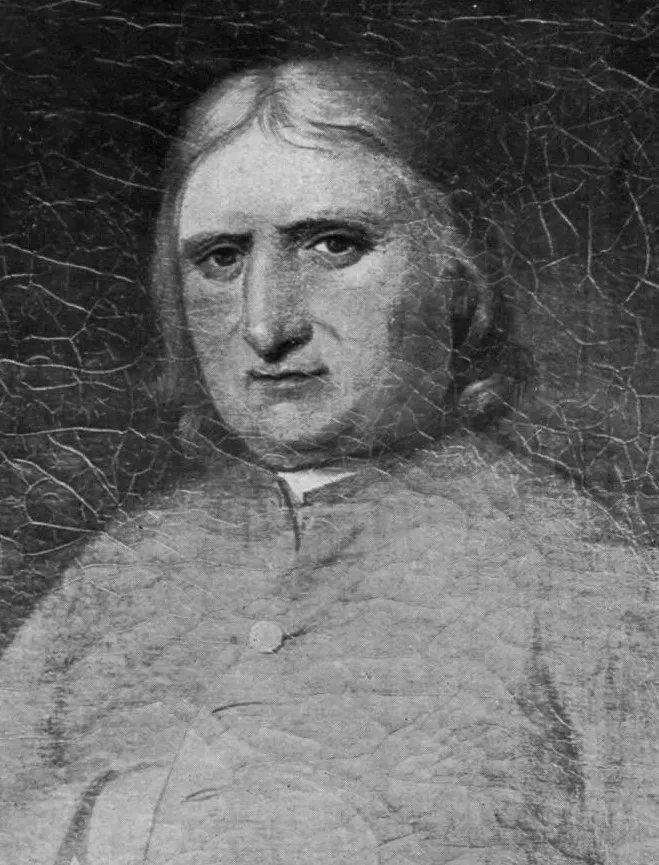
Met in 1659; became Fox's close companion and scribe. His transcription and editing of the Journal was his life's greatest work.
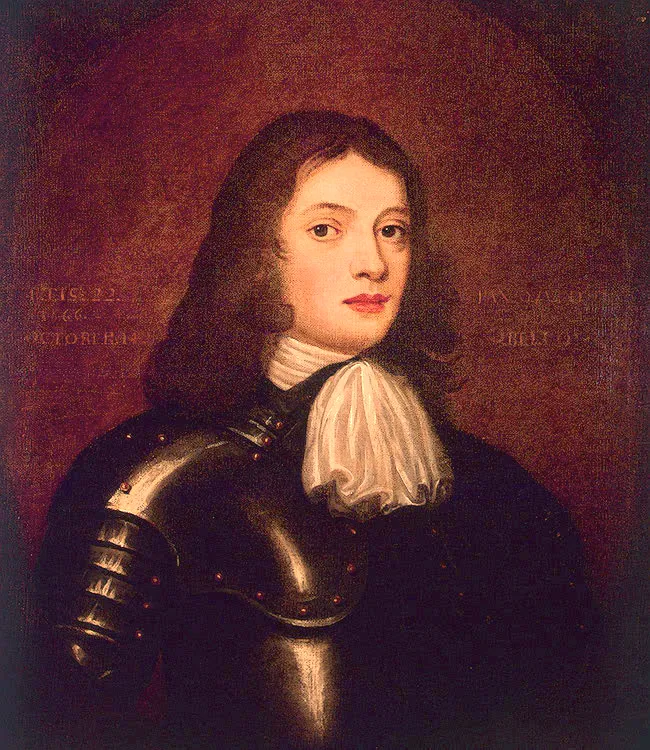
Penn owned neighboring estates. Ellwood transcribed No Cross, No Crown while Penn was imprisoned; they frequently collaborated.
The blind poet lived near Ellwood. Their friendship is famous—Ellwood suggested Paradise Regained and read to Milton daily.
Though Bunyan was a Baptist and Ellwood a Quaker, both wrote spiritual autobiographies that defined 17th-century English prose.
The autobiography of Milton's Quaker friend — one of the most charming personal narratives in English Quaker literature, following Ellwood's conversion, his imprisonment, his years as secretary to John Milton, and the story of how he inspired Paradise Regained.
Thomas Ellwood's Sacred History — the whole sweep of the Old Testament narrative gathered out of the Scriptures. Volume I carries the story from the creation of the world to the height of the reign of David, in a modern English edition with linked scripture references.
Ellwood's editorial work on Fox's Journal preserved early Quaker history. The modernized edition notes his contributions.
Ellwood's poetry shows a Quaker imagination engaging with classical forms. A selection of his verse is planned for future publication.